





|
|
DARK SIDE OF IMAGINATION. JEWELLERY BY KADRI MÄLK CRISTINA FILIPE2026-04-25
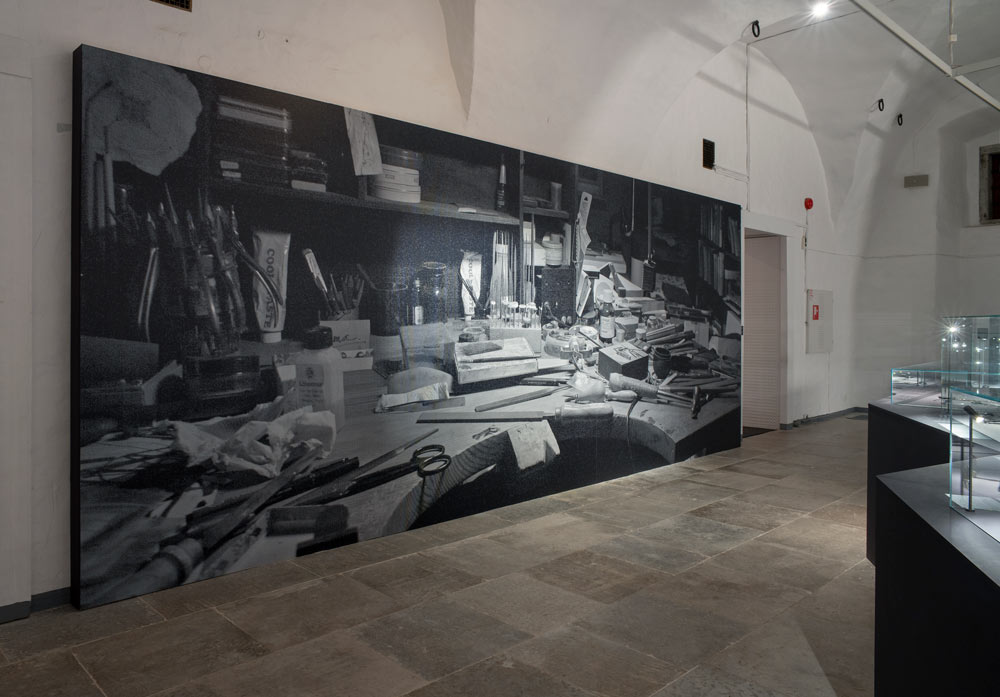
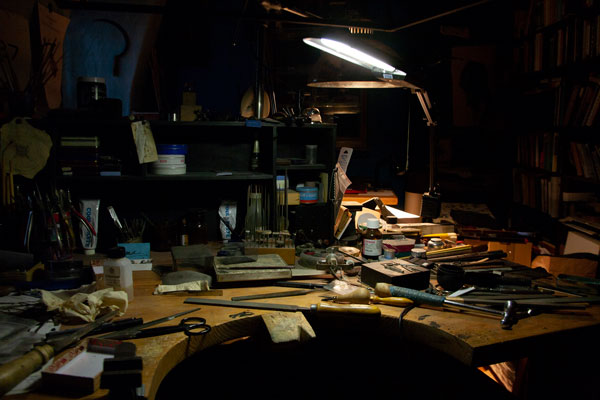
Kadri Mälk’s workbench (2023). Photograph and courtesy of Tanel Veenre
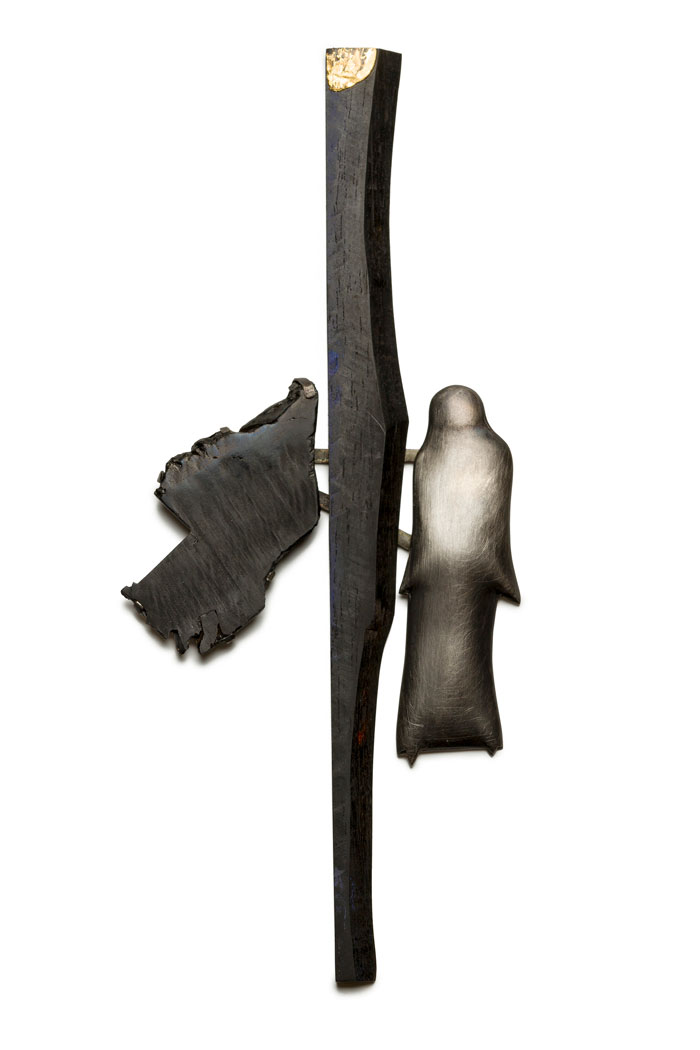
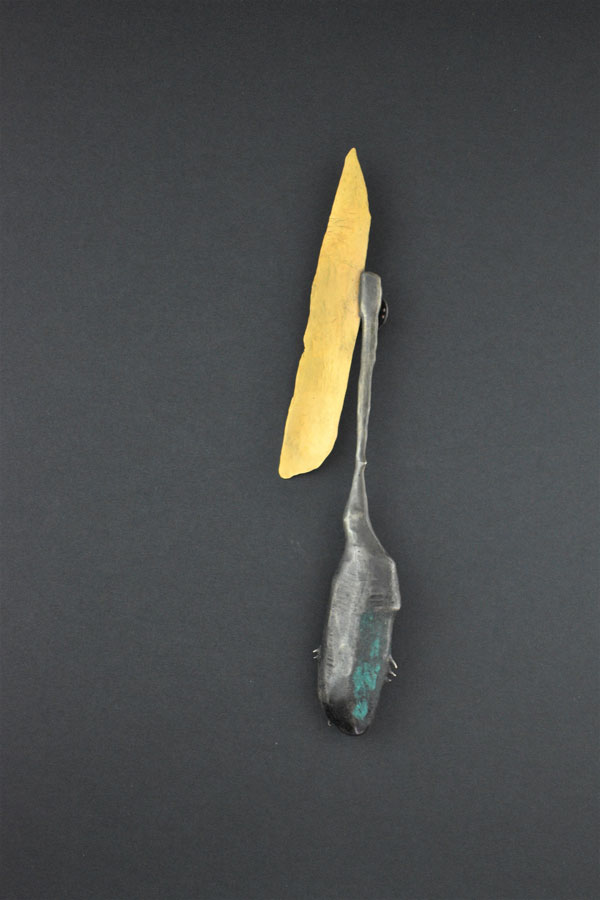
[Kadri Mälk’s latest work], 2022. Brooch. Gold, oxidised silver. Private collection. Photograph by Kristi Paap. Courtesy of ETDM
Preamble
I begin this text after rereading a passage from Susan Sontag’s full interview with Rolling Stone magazine, recently published as a book in Portugal. It was this book that accompanied me on my journey to Tallinn, where, on March 26, I took part in a discussion centred on the artist Kadri Mälk [1]. I am still reading it under the lingering impact of Dark Side of Imagination, the retrospective exhibition dedicated to the artist, held at the Estonian Museum of Applied Art and Design (ETDM) from November 4, 2025 to April 5, 2026. An interview about the body and spirituality, love and resistance — themes that, in different ways, also run through the work of Kadri Mälk. I do not know whether Kadri Mälk read Susan Sontag, nor whether Sontag ever encountered or wore her jewellery. Yet between them one can discern a close affinity: a shared suspicion of interpretation as a reduction of experience. As Sontag argues in Against Interpretation, Mälk’s work likewise resists univocal readings, asserting itself instead as a sensorial field in which body, material, and the spiritual dimension coexist without becoming fixed. It is within this territory — between the visible and the ineffable — that both operate. It is therefore particularly inspiring to write about Mälk in the midst of reading Sontag.
Sky seen from Kadri Mälk’s grave. Photograph by the author, 2026.
The most permanent things are always those that are temporary [2]
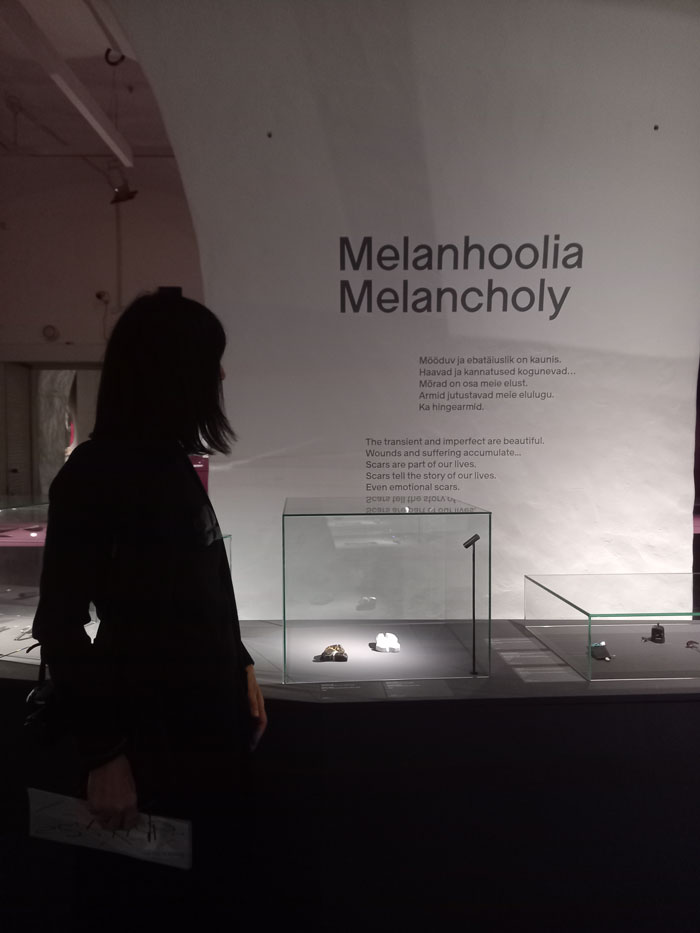
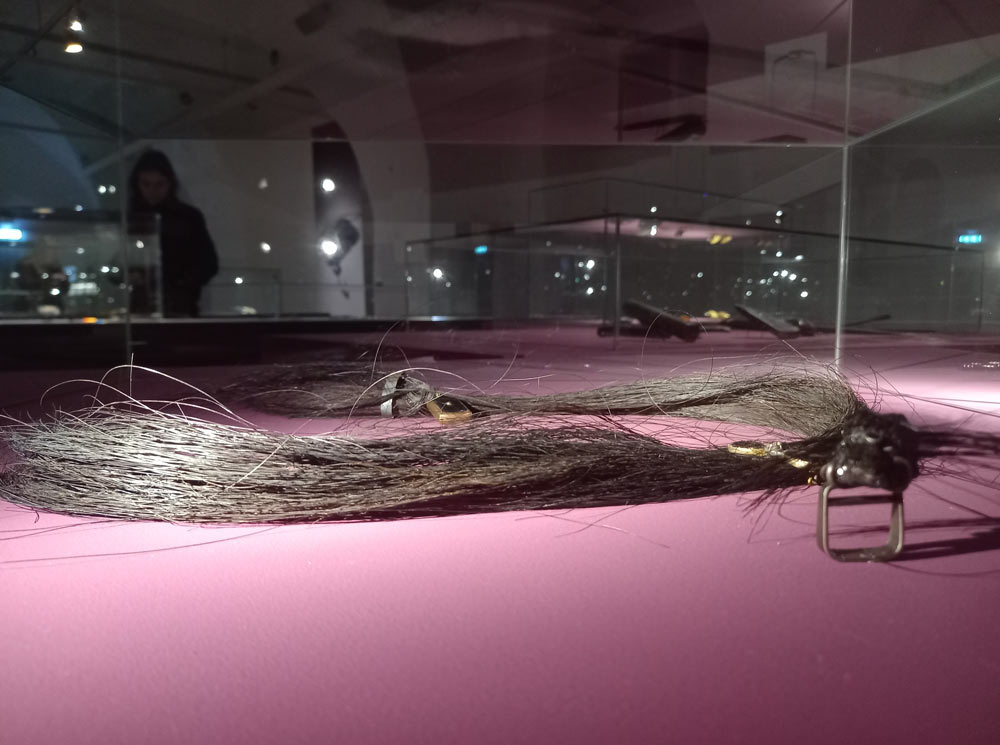
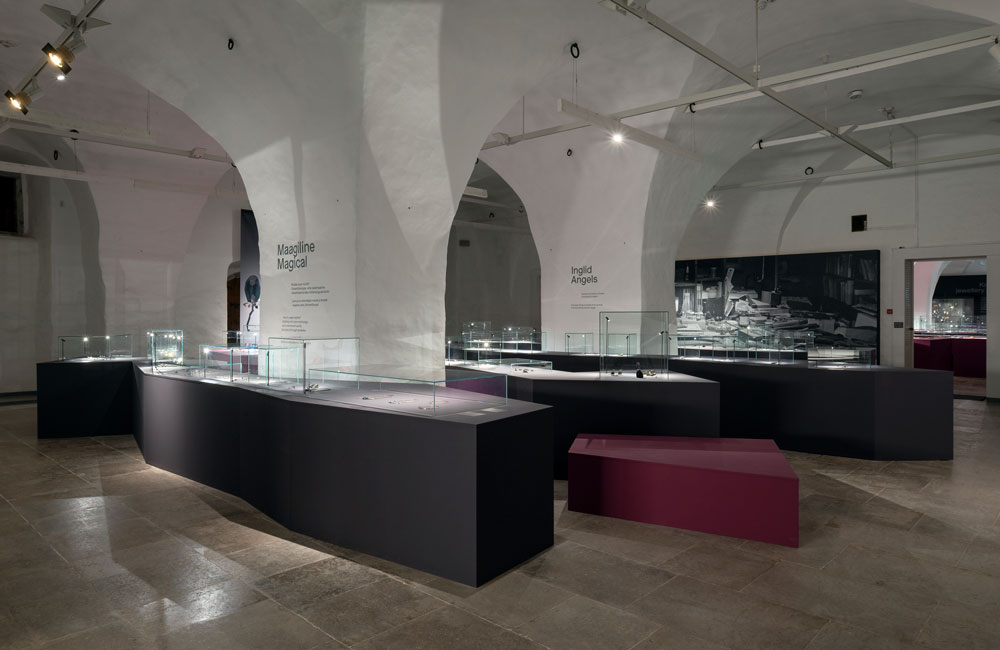
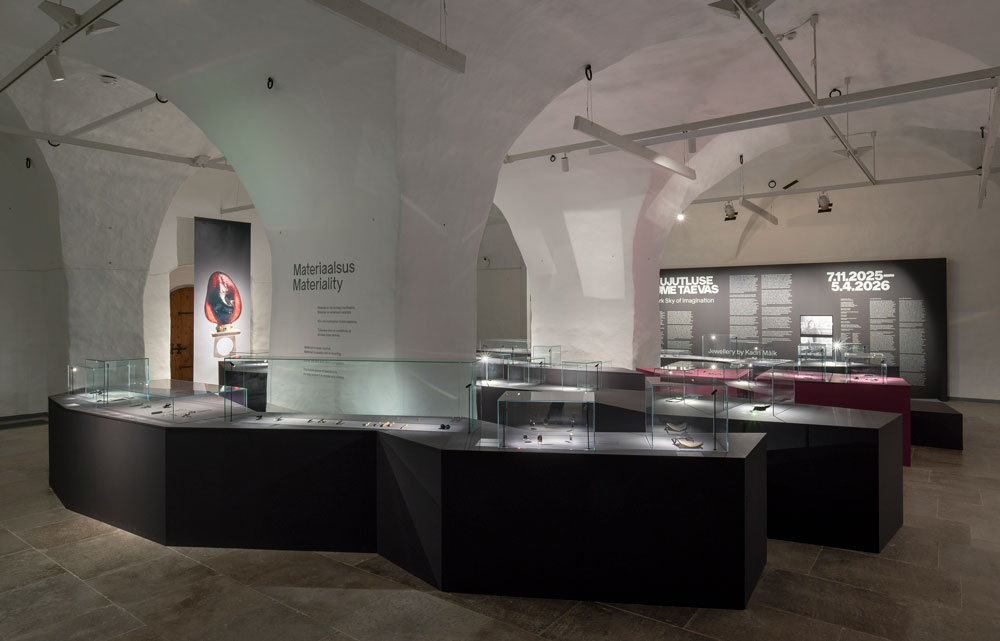
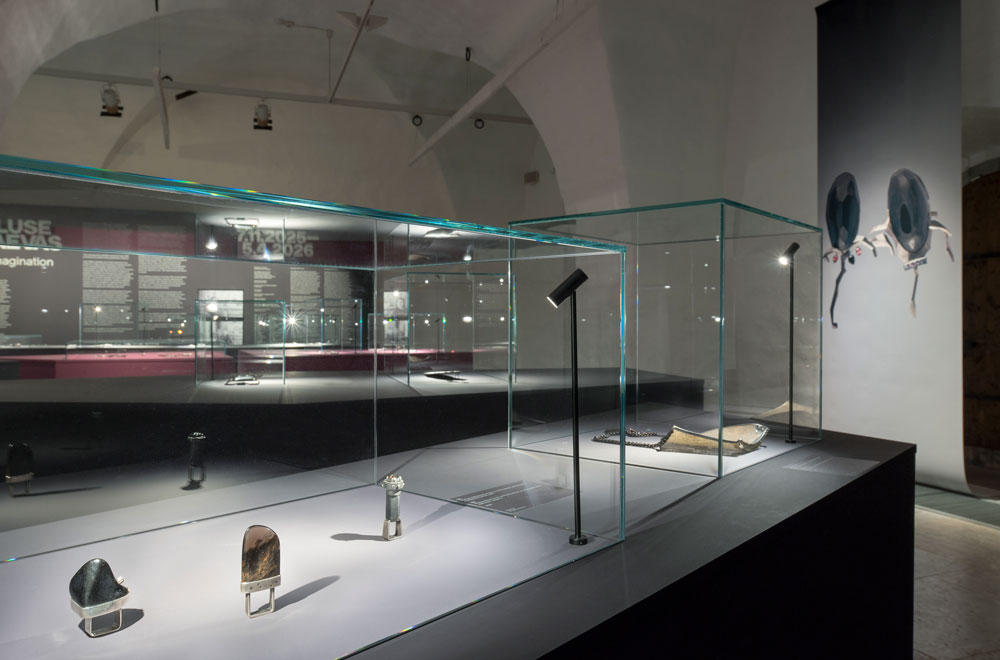
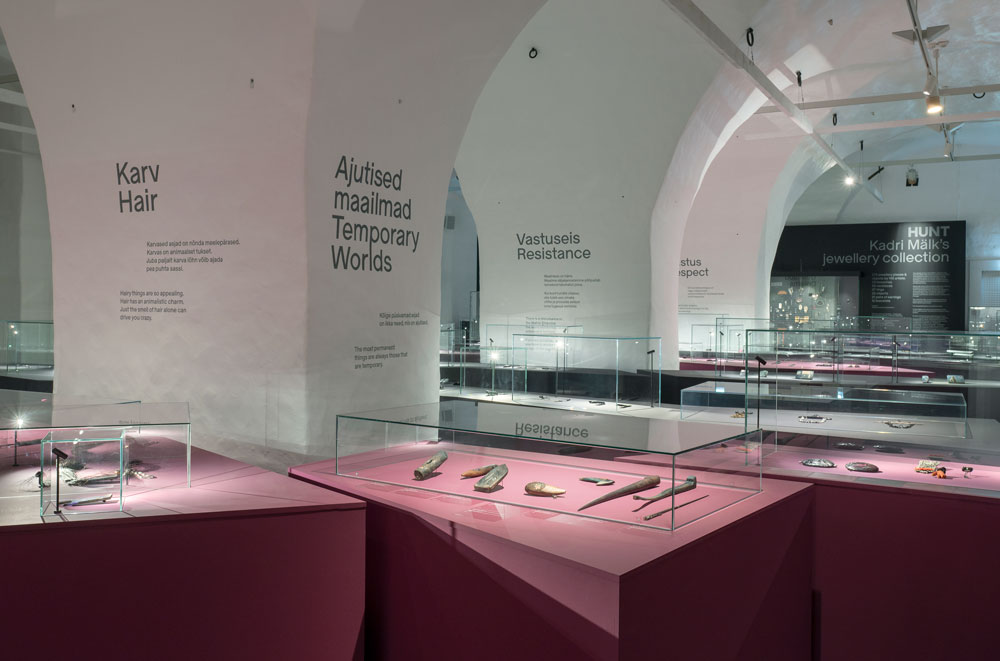
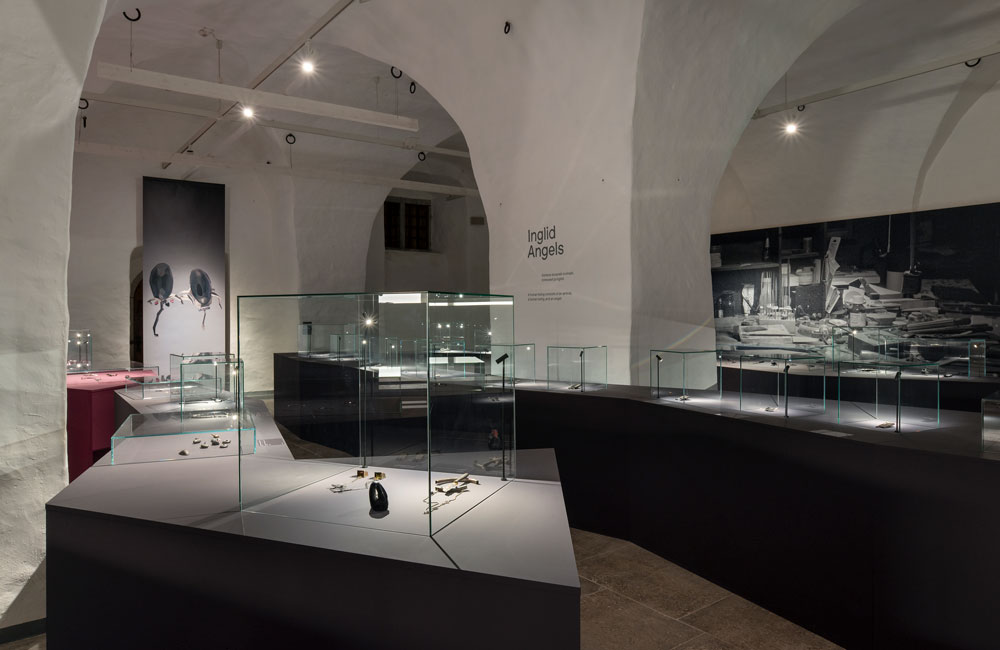
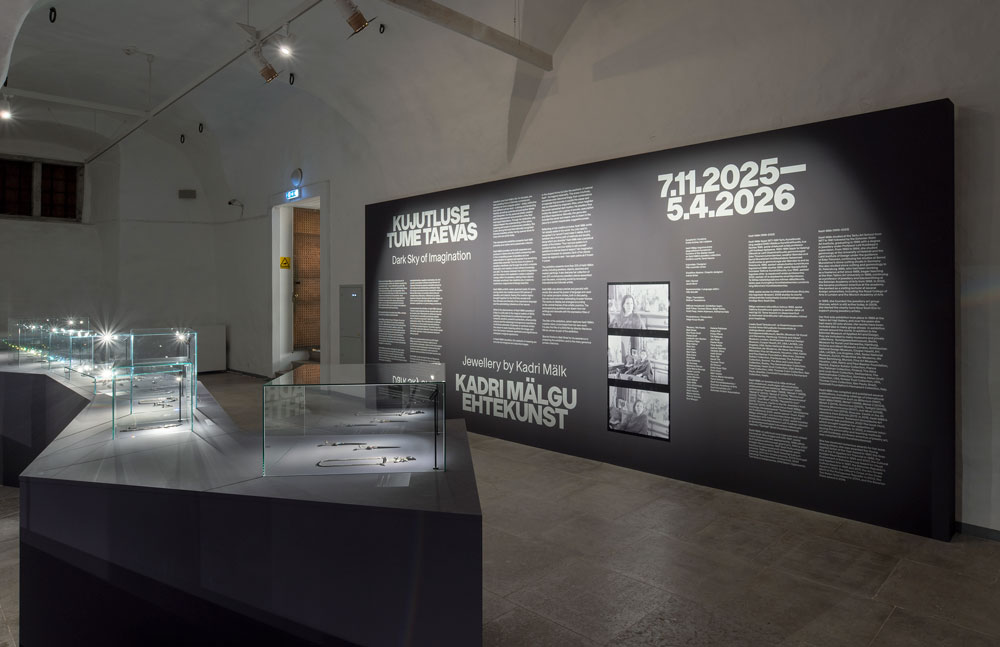
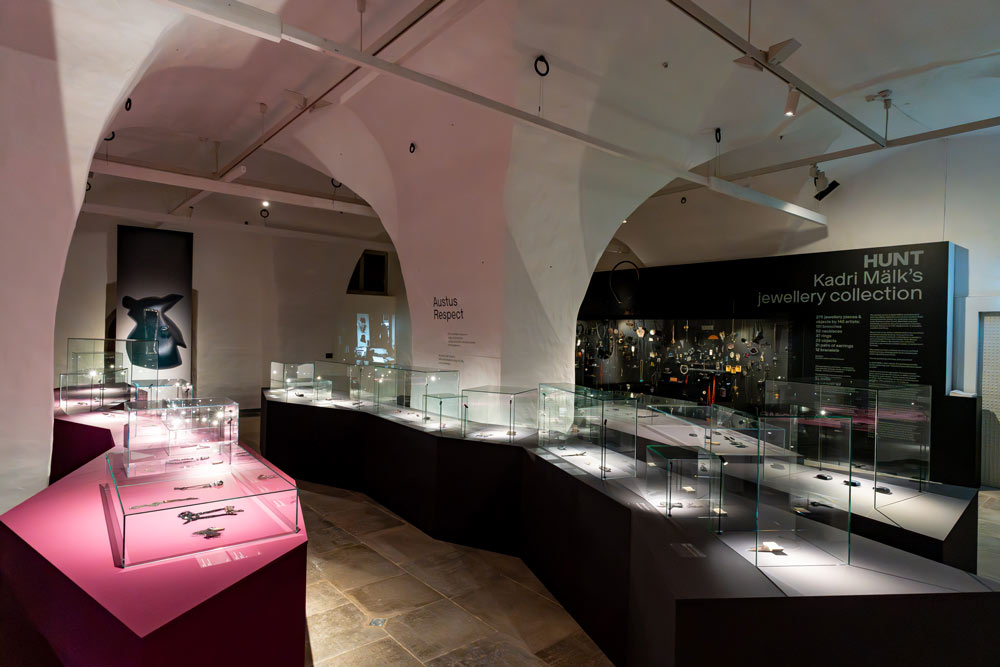
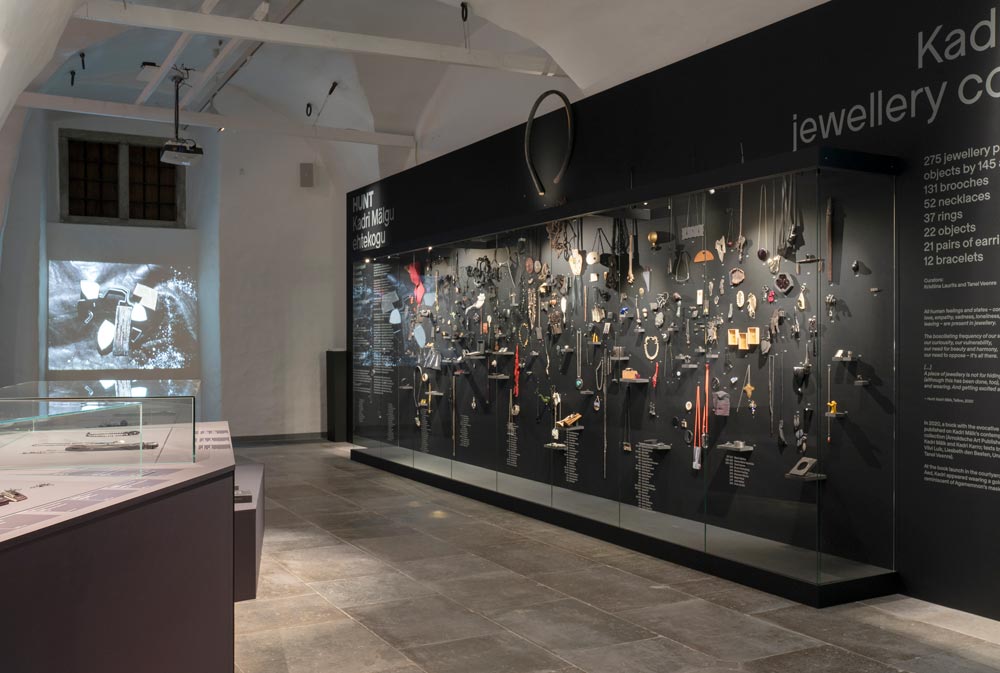
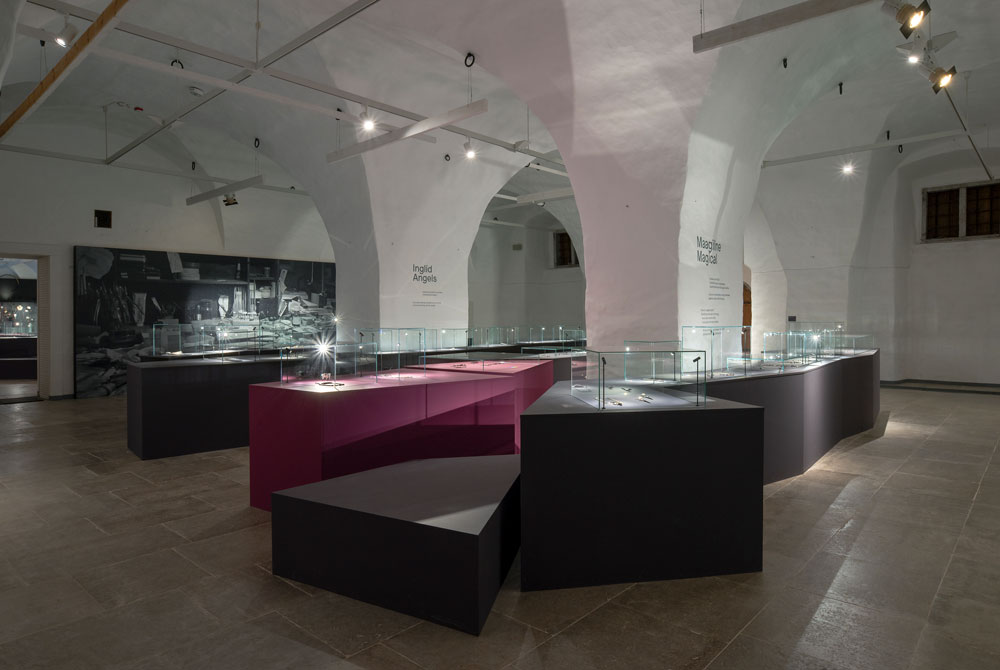
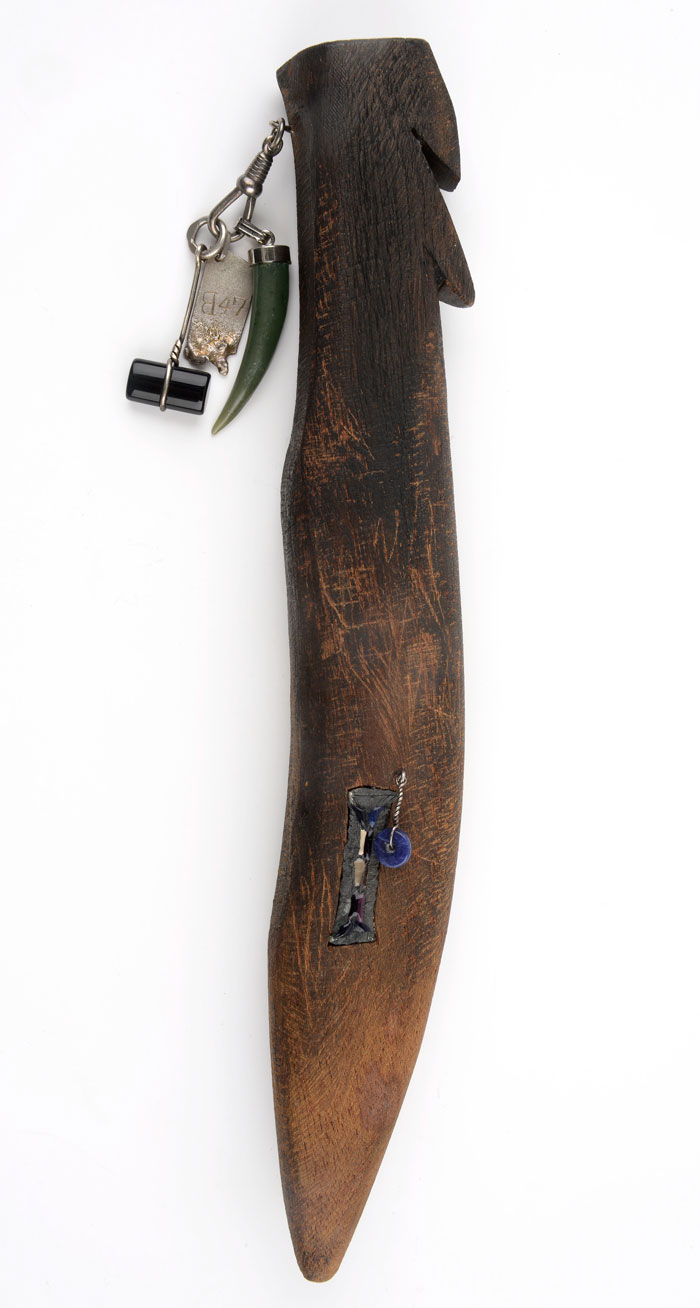
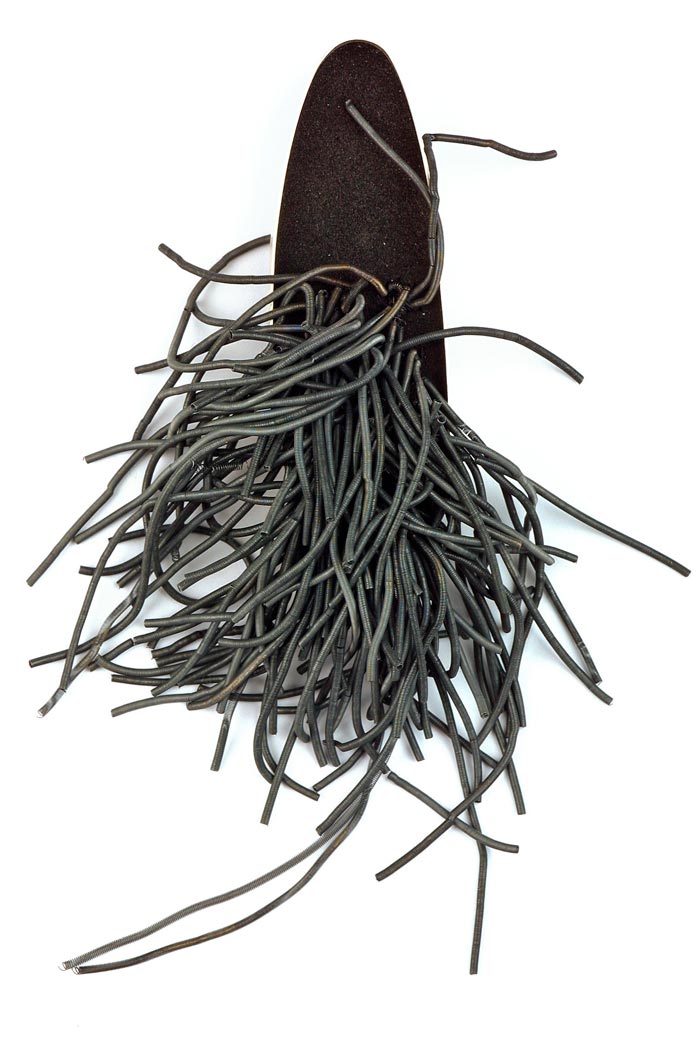
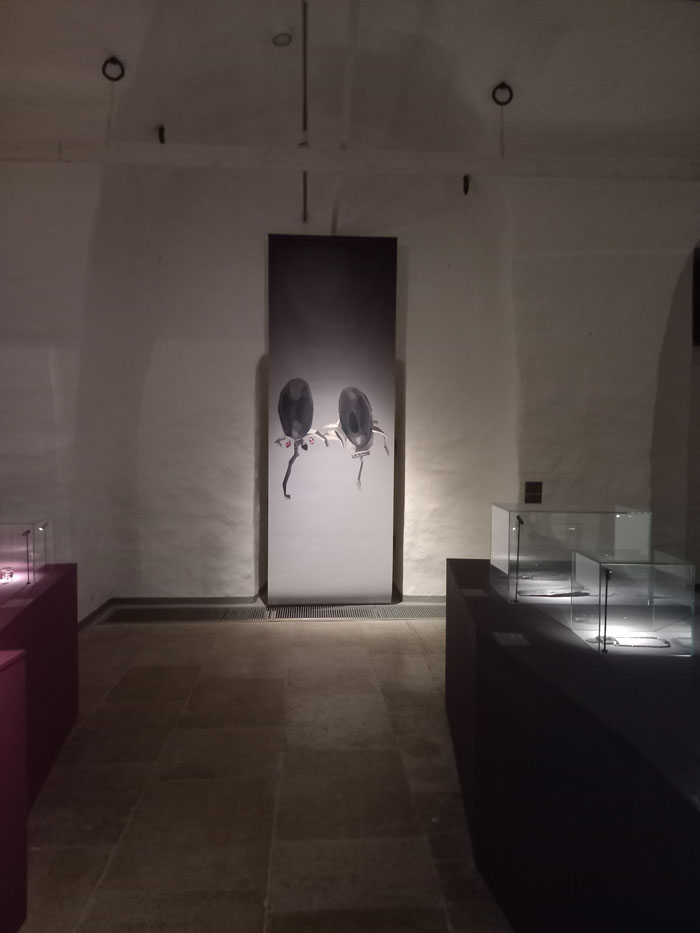
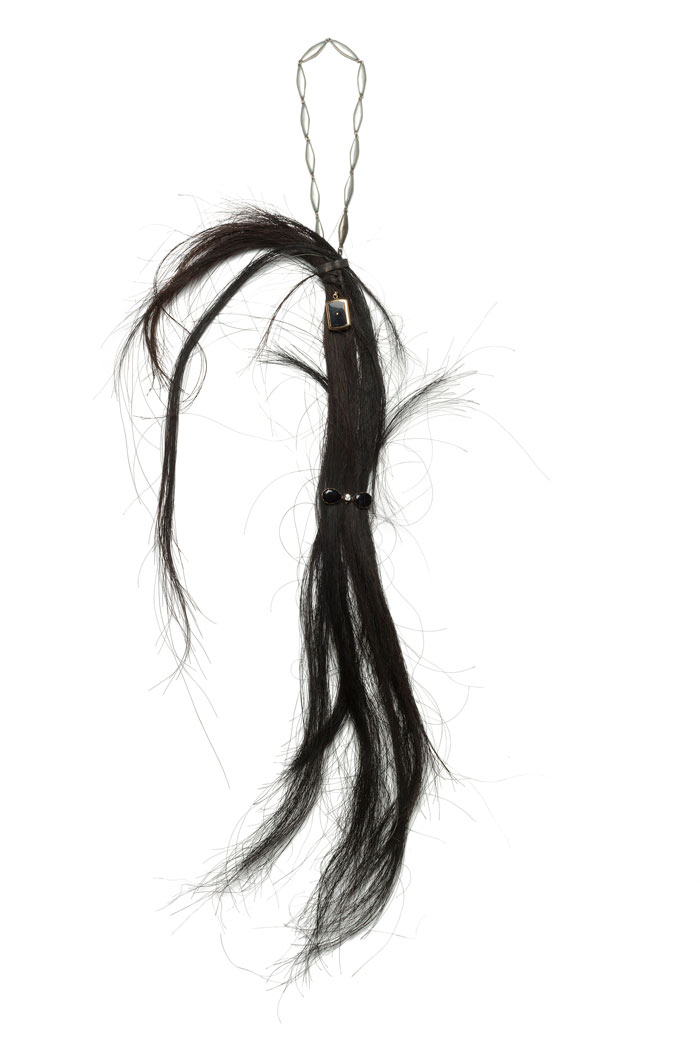
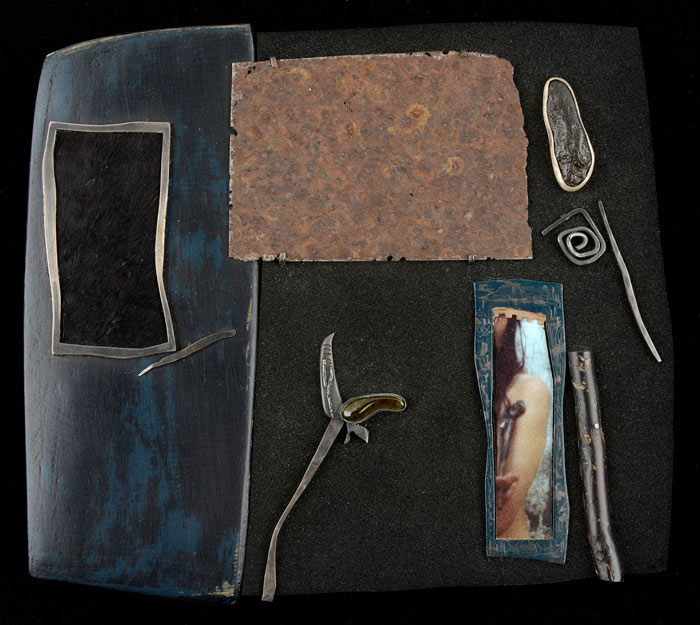
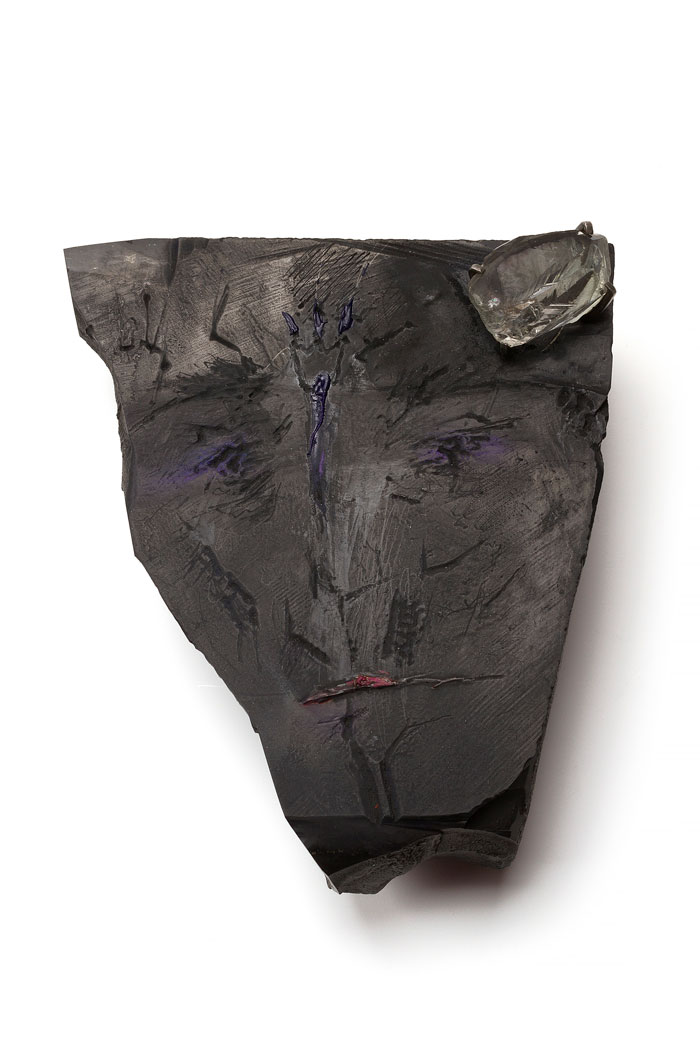
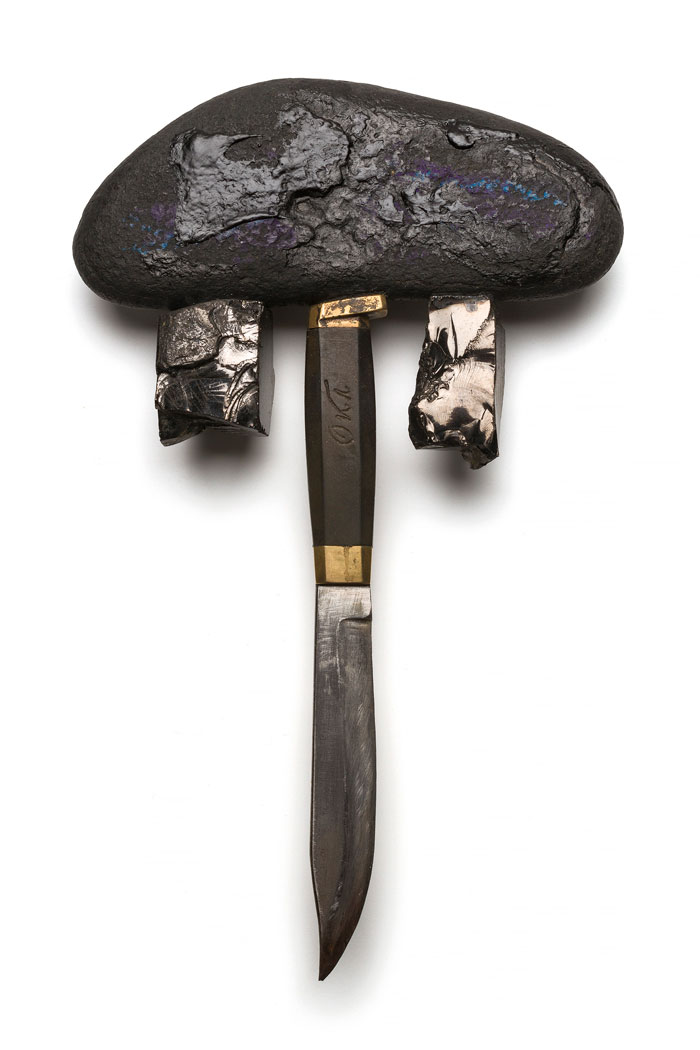
I have postponed writing about this exhibition, as it seemed to resist any words that might attempt to interpret it. I needed to wait for its closing — yesterday, April 5, Easter Sunday — to finally begin this reflection, which, more than an interpretation, seeks to be a description: an attempt to fix an exhibition that resists being reduced. It is a strange feeling to imagine that such an immaculate constellation of jewellery, drawings, photographs, exhibition design, sound, and film might come to an end. It is like witnessing the second death of Kadri Mälk — like losing her twice: first, on January 1, 2023, symbolically on New Year’s Day; now, on the day following the Resurrection. I attended Kadri Mälk’s funeral and was able to pay her this tribute. I visited the exhibition twice, both times preceded by a visit to her grave. This ritual — so dear to Kadri — became part of the impact of the exhibition. The exhibition is the result of a rigorous curatorial project led by Krista Kodres and Kai Lobjakas, supported by a team that includes Ketli Tiitsar, making visible — with remarkable precision — the singular work of Kadri Mälk. The display of her jewellery collection, overseen by her disciples Tanel Veenre and Kriistina Lauritz, is organically integrated into the exhibition path. The exhibition thus focuses both on the artist’s creative work and on her role as a collector. As the curators note, when seen in its entirety, her work reveals a remarkable richness and versatility of expression, marked by a tension between imagination and means that generates a perceptible intensity in the pieces, turning them into objects charged with strong emotional resonance. [3] The clarity of Indrek Sirkel’s graphic design — which invites the reading of wall texts and captions — the precise exhibition design by Pille Lausmäe, and the hypnotic sound design created by Janek Murd are key elements in the construction of this experience — not as support, but as an active part of the exhibition’s language. I begin with the hypnotic sound designed by Janek Murd. Like a mantra, it captures our attention and fixes our gaze on the works. This piece, of continuous duration and unusual extension, is a vital element of the exhibition — it is what invites us in, enveloping us from the very first moment. Within the sound, we lose our sense of time without ever becoming detached from what we see; on the contrary, we become more attentive, seeing beyond what is given. The mind is thus activated to its fullest extent, and Kadri Mälk’s works establish a dialogue that surpasses the gaze, fulfilling their essential function [images 1, 2]. The exhibition design, simple and rigorous, fulfils the task of embracing the artist’s Gothic sensibility and presenting a complex body of work with respect and dignity. A continuous “altar” of approximately ninety metres, composed of minimal modules painted in black and purple — the artist’s colours of choice — whose pointed variations in contour accentuate this Gothic character, runs through the museum’s two rooms, which could not be more fitting [images 3, 4]. The museum is housed in a former granary, a building dating back to the late seventeenth century, later adapted to accommodate it in 1980. Although located on the ground floor, the rooms, in the context of this exhibition and in the absence of natural light, evoke catacombs. The cross-vaulted ceilings, supported by thick columns painted white — low — and the floor of dark stone slabs, rectangular, cold and neutral, create a rigid and austere environment, evoking a spatiality of Gothic origin. The immaculate jewellery is arranged along the ‘altar,’ either isolated or in small groups, protected by seventy-five glass domes of varying sizes, which configure them as ‘relics.’ Light — a total of one hundred and ten spotlights — punctuates each grouping and falls upon the pieces, intensifying their presence. The space thus assumes a simultaneously mystical and sacred character [image 5]. Approximately two hundred pieces [4] on display, created between the 1980s and the 2020s — the earliest dating from 1986 and the most recent from 2022, identified as the last work produced by the artist — are organised into ten thematic sections, each accompanied by a quotation from the artist. The names of these sections are inscribed on the wide white columns that support the vaulted ceiling [images 6, 7]. Metaphorically, these pillars also form the backbone of Kadri Mälk’s work: the themes that pursued and accompanied her throughout her life.
Magical
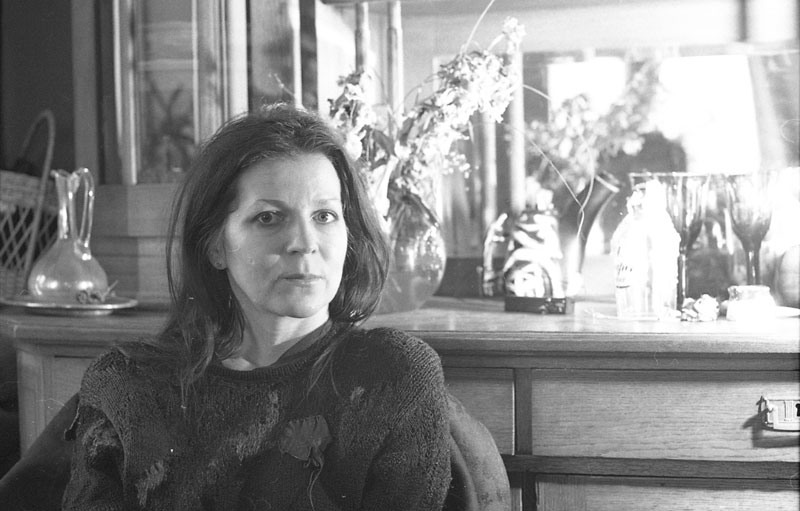
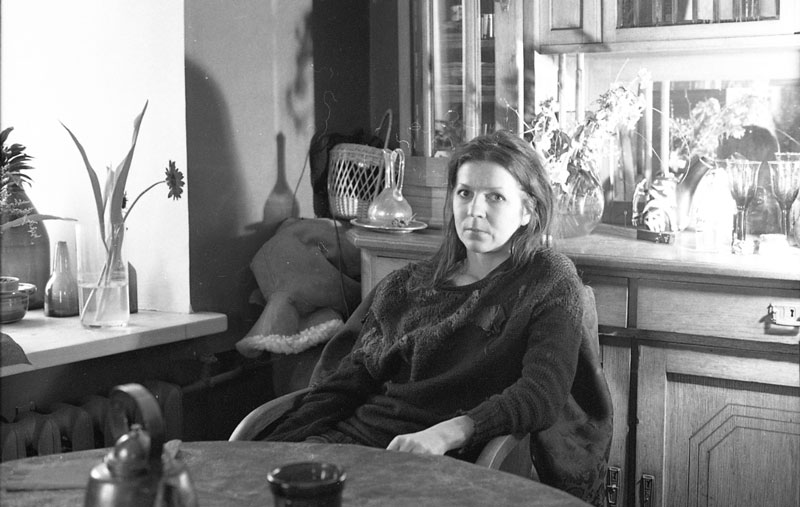
The first room presents, on the entrance wall, a precise curatorial text that introduces the artist’s creative process and the historical context traversed by her imagination [image 8]. This text appears alongside three portraits of her from the early 1990s.
Dark Side of Imagination. Jewellery by Kadri Mälk. Details of the entrance panel with portrait of Kadri Mälk (early 1990s). Photographer unknown. Courtesy ETDM.
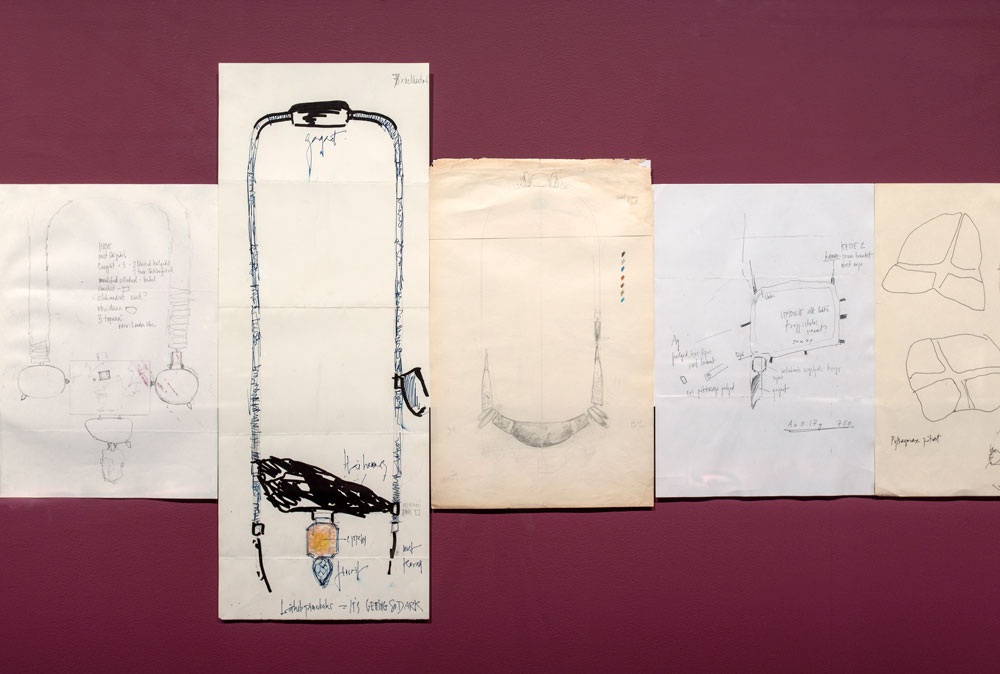
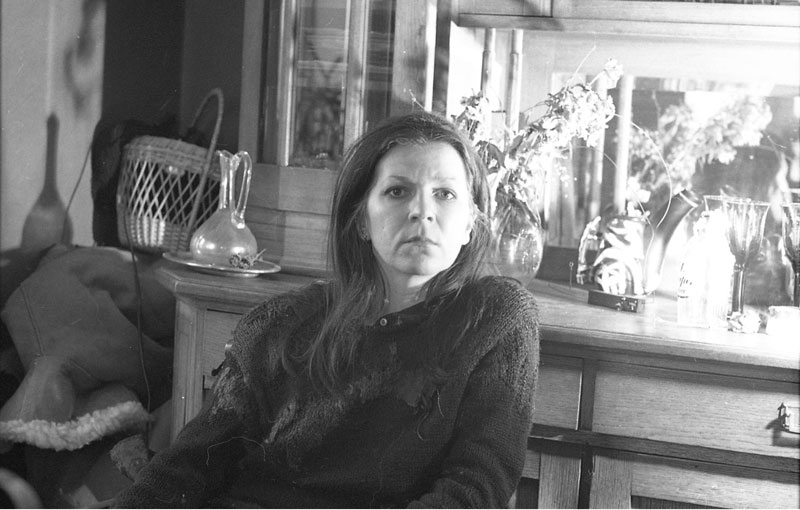
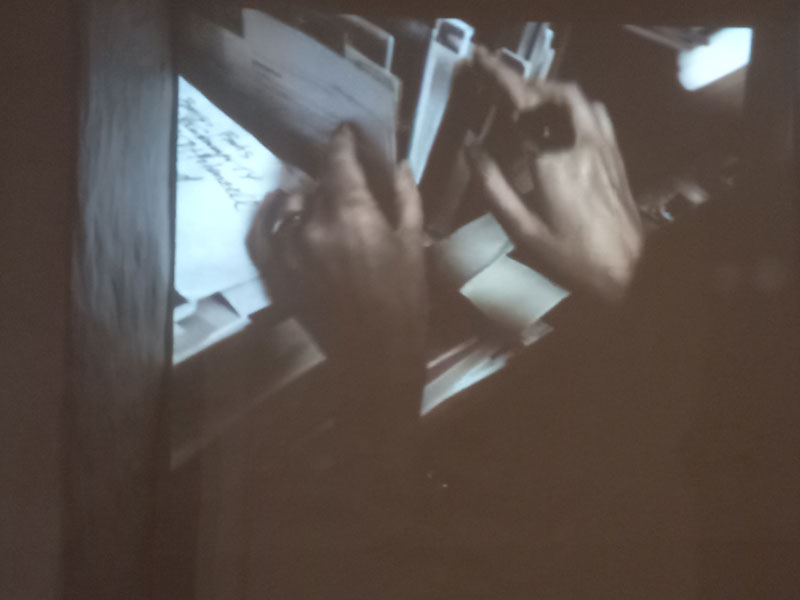
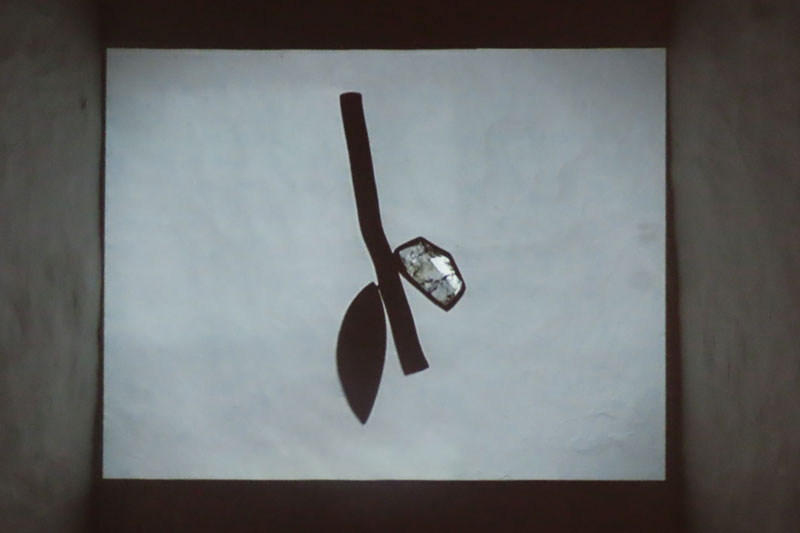
A cinematic triptych, composed of three sequential black-and-white shots, shows her looking directly at us, eye to eye, while what appear to be the iconic attic spaces where she lived and worked from New Year’s Day 1990 can be glimpsed. On the opposite wall, a close-up photograph of her studio — again an almost cinematic shot — allows us to become voyeurs of her most intimate space: her workbench, fixed after her death (2023) by Tanel Veenre [5] [image 9]. In the second room, the left wall presents a sequence of jewellery drawings, produced between the 1980s and the 2000s, arranged in a continuous line. Simple sketches and some more detailed drawings reveal how the artist conceived jewellery — how she designed and constructed it. These are contour drawings, highly minimalist, yet also marked by a certain expressionism, in which her Gothic line is always evident [image 10]. On the opposite wall, which brings the exhibition to a close, is Hunt, the jewellery collection that Mälk assembled over forty years, comprising two hundred and seventy-five pieces by one hundred and forty-five artists of various nationalities, most of them friends, colleagues, and many her students [image 11]. A large display case against the wall presents this collection, arranged alphabetically by the artists’ names, revealing an esoteric and shamanic dimension that extends Kadri Mälk’s work and her desire to support and foster this discipline beyond her own artistic practice. Kadri regularly wore — proudly — the jewellery from her collection. An unlikely concentration of authors, typologies, materials, and scales expands beyond the display case — a large-scale piece is suspended on the wall above the glass, announcing its continuity. Now under the care of Tanel Veenre, we await what its future may hold [image 12]. At the end of the exhibition path, the film Dark Side of Imagination, directed by Marianne Korver (2003), is presented. Filmed on the island of Muhu, in Estonia — where, in 2001, Kadri organised the iconic symposium Nocturnus, in which I had the privilege to participate — it also includes footage of the artist working in her studio. The film further features testimonies by Tanel Veenre and Harry Liivrand, art historian and curator of the exhibition Border Cities, presented in Tallinn and Lisbon as part of Tallinn European Capital of Culture 2011.
Dark Side of Imagination. Jewellery by Kadri Mälk. Shots from the film Dark Side of Imagination (Marianne Korver, 2003). Exhibition view. Photographs by the author.
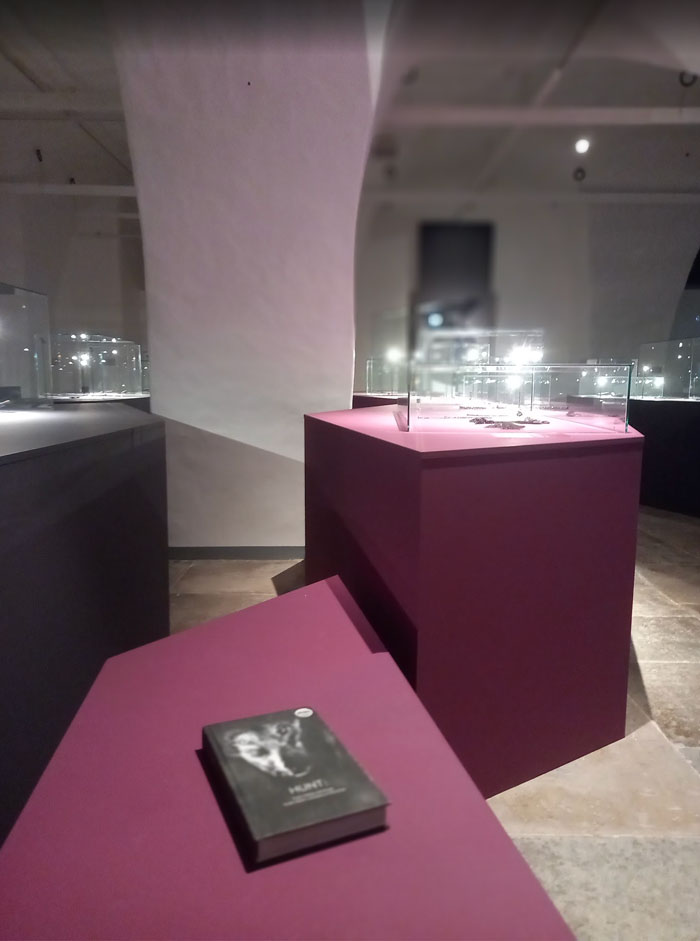
A film that not only documents her work but also reveals the creative vision and the landscape and domestic contexts of her artistic practice — in particular the island of Muhu. Along this same “altar,” her books Testament (2016) and Hunt (2020) appear within the exhibition space, available for handling. Visitors are invited to sit and remain on the lower modules of the ‘altar.’ In this simple gesture, the space is transformed: it ceases to be merely exhibitionary and becomes devotional, almost intimate. We sit within the exhibition as one withdraws into oneself, in prayer — we become part of it [images 13, 14].
Kadri Mälk was a perpetual seeker of the hidden: ‘Your nervous system is in constant action, and your ability to ask yourself questions is intense beyond reason.’ Her imagination searched tirelessly for answers. Each of her pieces bears her signature seal — two open palms as if frozen in prayer. [6]
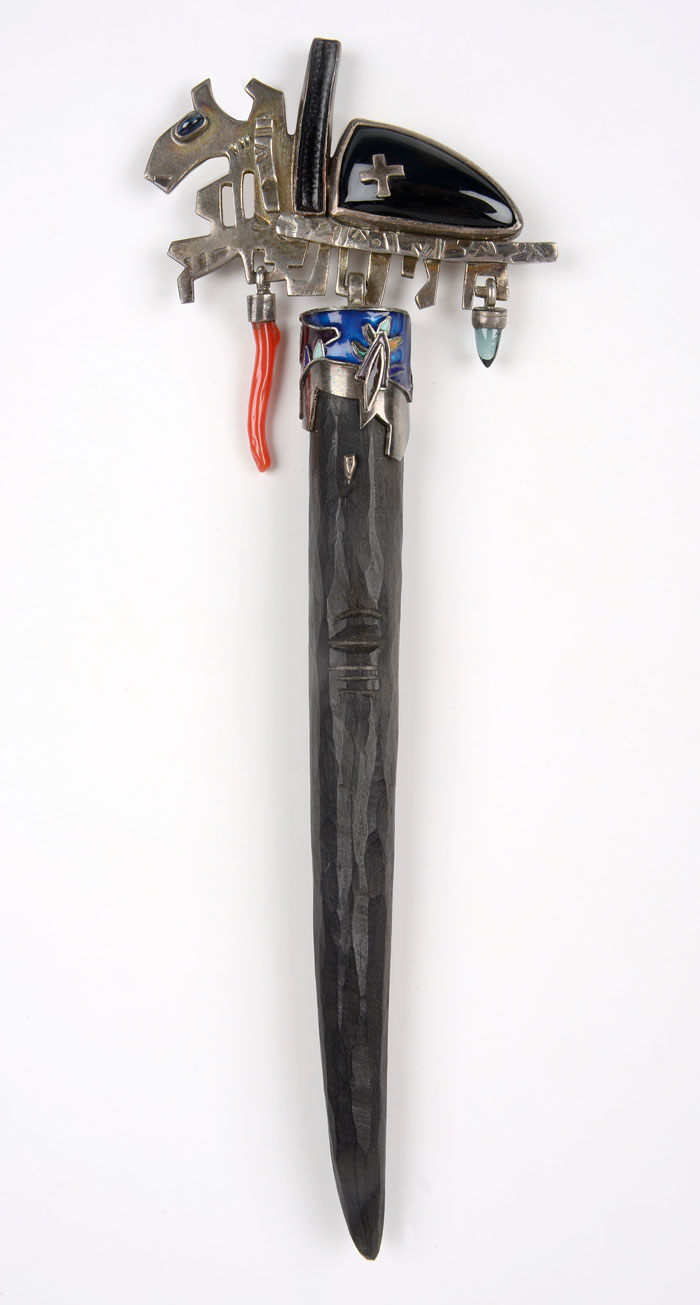
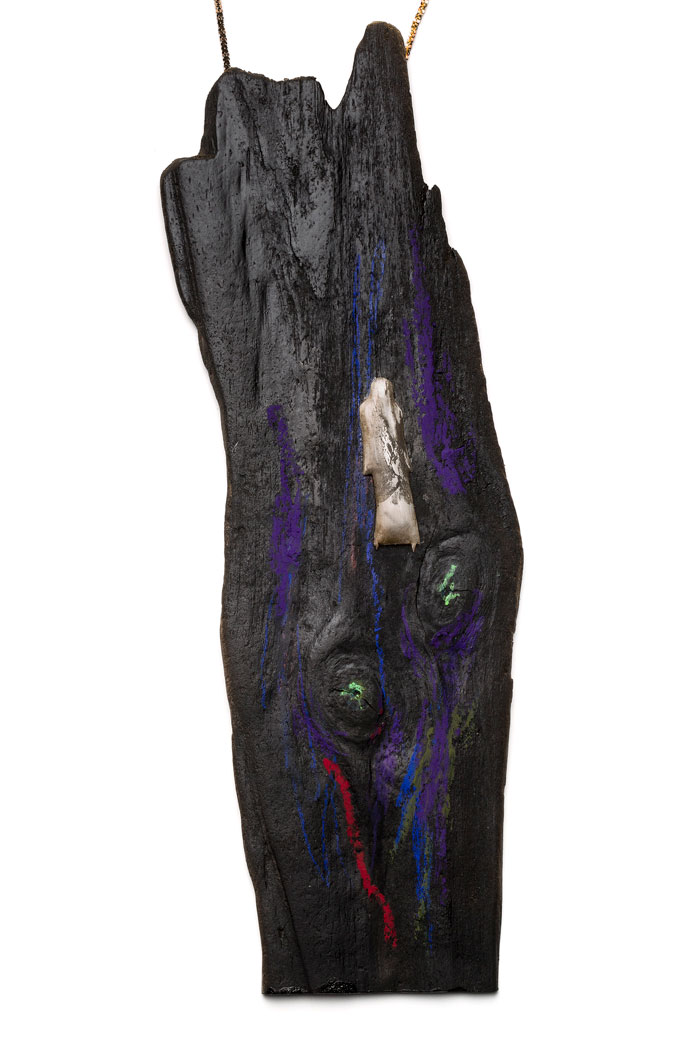
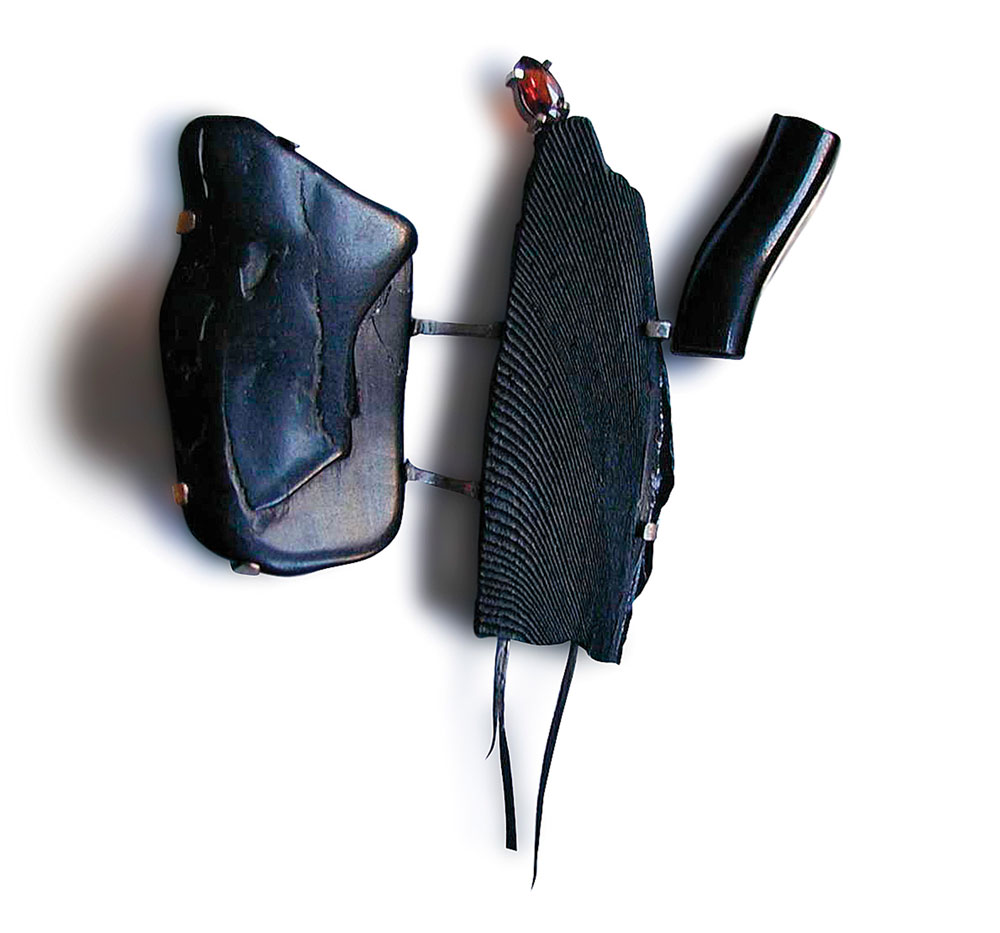
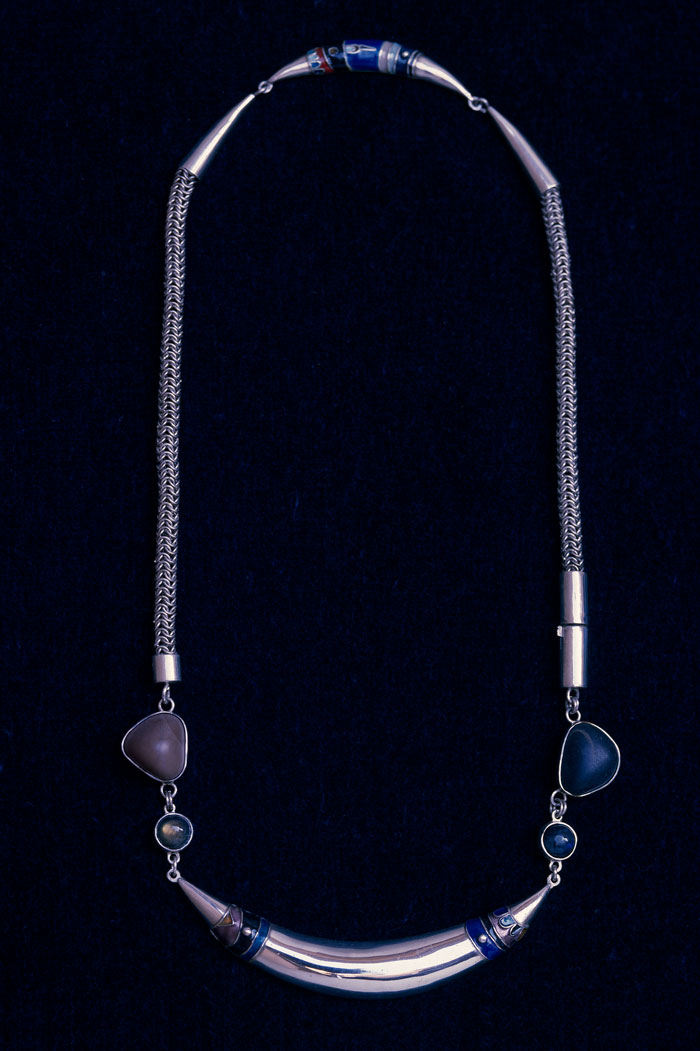
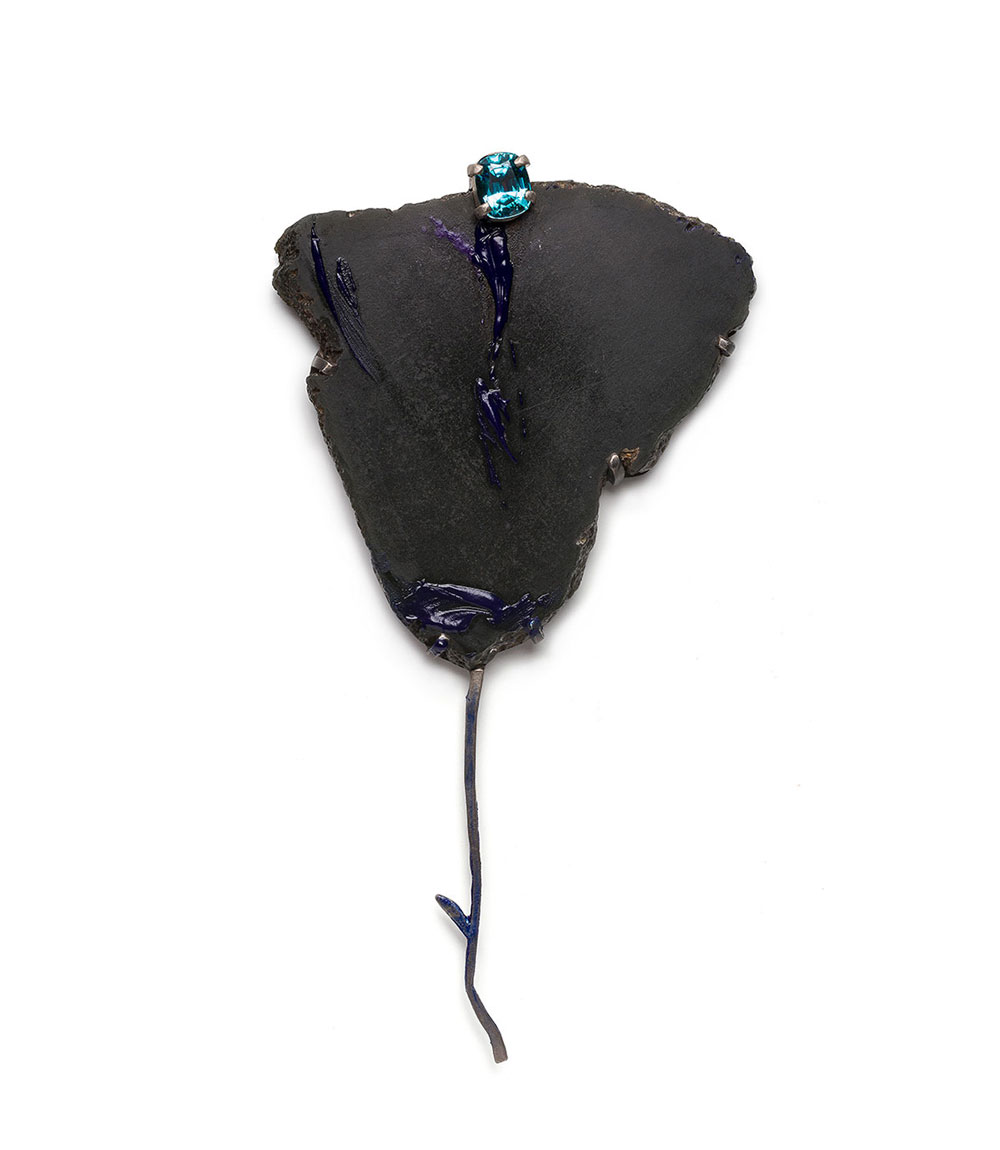
It is in this state of suspension and withdrawal that the pieces reveal themselves. Rather than describing them exhaustively, I seek to approach some of their cores — allowing each to retain its opacity and its own force, resisting a reading that would exhaust it. The images accompanying this text thus function as extensions of this experience, much like the quotations selected by the curators that identify each section [images 15, 16, 17, 18]. Along the exhibition path, some works not present in the exhibition also appear as large printed images, placed in front of closed doorways, blocking natural light. This gesture underscores a desire for darkness: it is these images that return light to the space. Like a breath, the spirit of Kadri Mälk thus enters through each of these discreetly camouflaged openings of light [image 19]. The sequences of jewellery within each section trace their own calligraphy. It took several passages to discern the subtle characteristics that distinguish or bring them closer together. Angels is probably the section that best represents her: Unexpected Angel, Patient Angel, Every Angel is Terrible, Bergamoto — it seems to be her own body that appears in the figure of each angel [images 20, 21, 22]. It is also here that her final piece is found — already evoked at the opening of this text — a gold blade held by an organic handle in oxidised silver, subtly painted in blue. The piece seems to reveal the interior of a hand — fragile, trembling. The pale gold blade is not aggressive; on the contrary, it is warm and gentle. It leaves us wondering whether the moment of death might receive us. This last work contrasts with the earlier, more figurative pieces from the Magical section, from the 1980s and 1990s, where colour emerges through a rigorous enamel technique that reveals the influence of her beloved professor Leili Kuldkepp (1931–2008), to whom she dedicated the book Õpetaja, published in the last year of her life, in 2022. This section includes For the Protection of the Sad (1986), the oldest piece on display [image 23]. The rigour and freedom with which she selects and combines materials is striking. This gesture runs throughout the exhibition: from an almost archaic restraint — visible in the Magical section — to more expressionistic solutions, at times approaching a punk-like language, as seen in the Respect section.
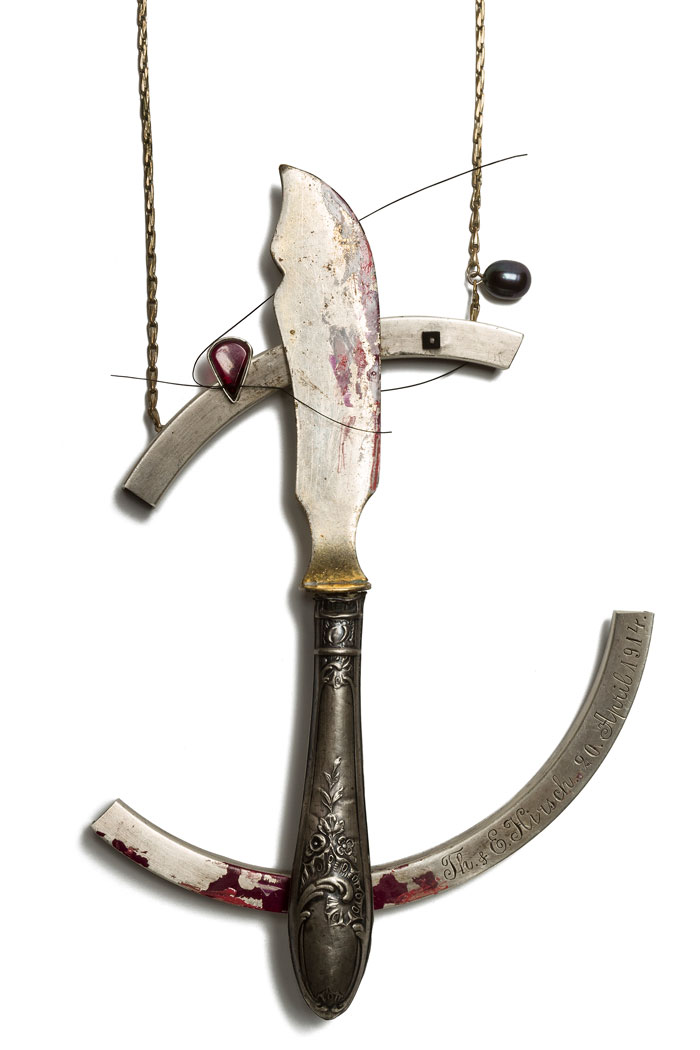
Magical: Smell of the Fish, 2016. Necklace. Recycled gilded silver fish knife, silver ring, paint, almandine, black pearl. Photograph and courtesy Tiit Rammul. Collection of Liesbeth den Besten
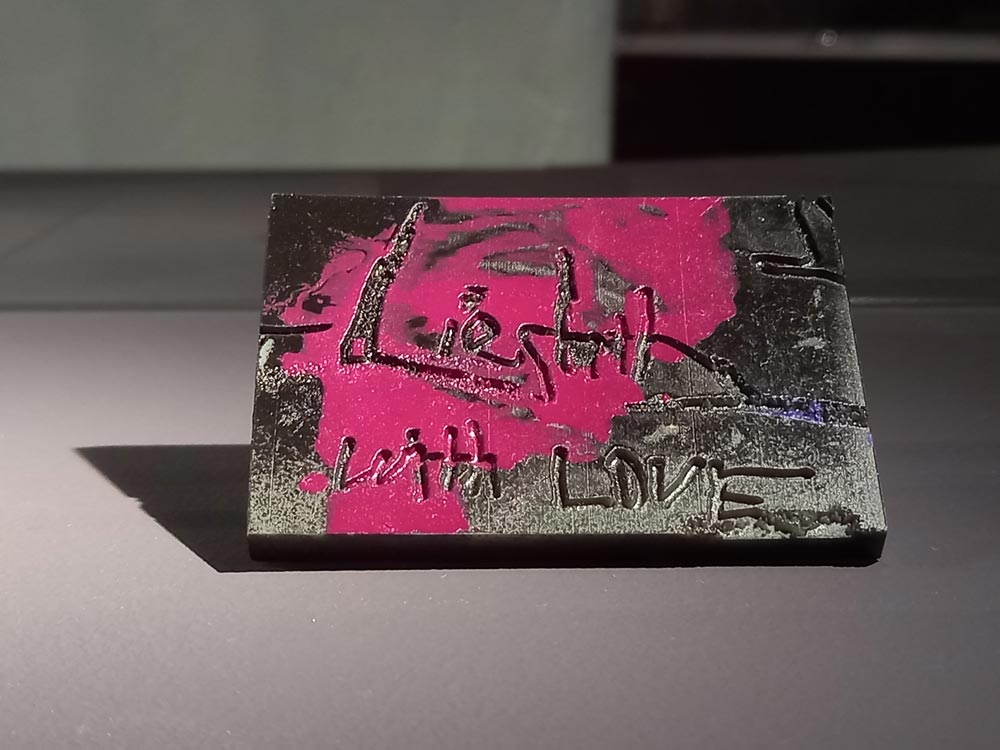
As an example, I refer to the two pieces that form part of Liesbeth den Besten’s collection: the first, Smell of the Fish (2016), incorporates two assisted readymade elements, with gestural painting intervention (very common in her practice): a silver fish knife and a fragmented engraved hoop of classical typology; the other, Liesbeth Brooch (2017), dedicated to the collector as a gesture of gratitude. The inscription, almost hieroglyphic — Liesbeth with love — appears painted in fuchsia pink, creating an unexpected disruption in relation to the black that runs through much of her work, like a graffiti mark.
Respect: Liesbeth Brooch, 2017. Brooch. Carved and painted Cibatool. Photograph by the author. Collection Liesbeth den Besten
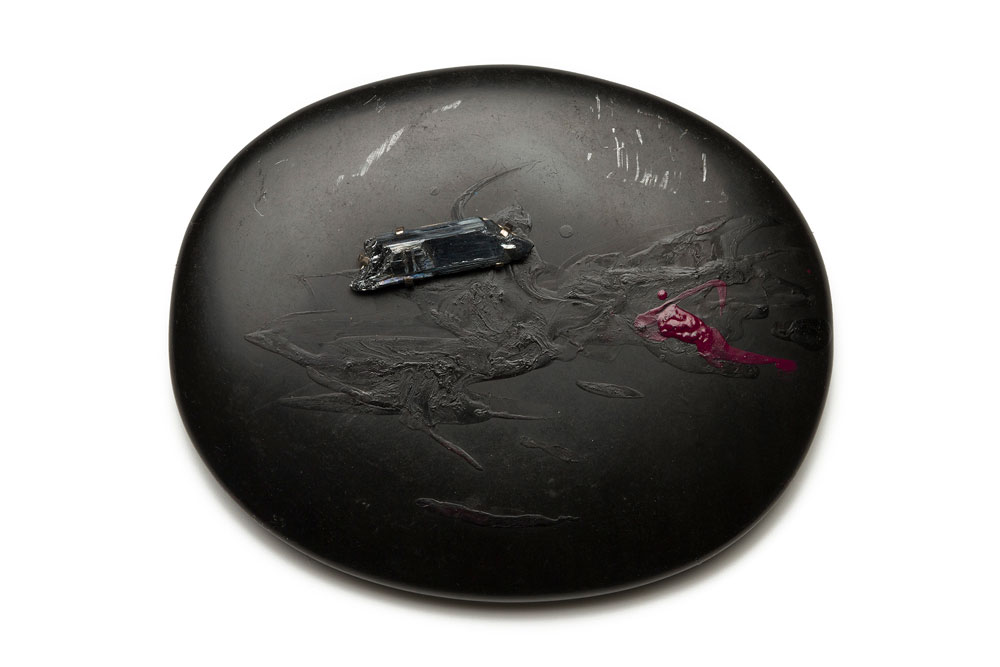
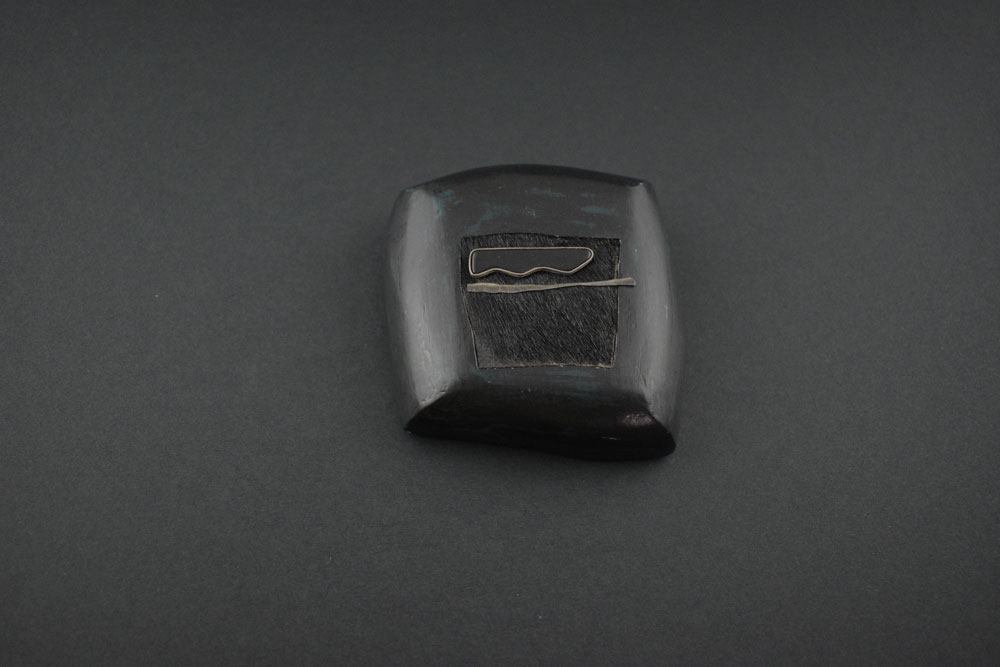
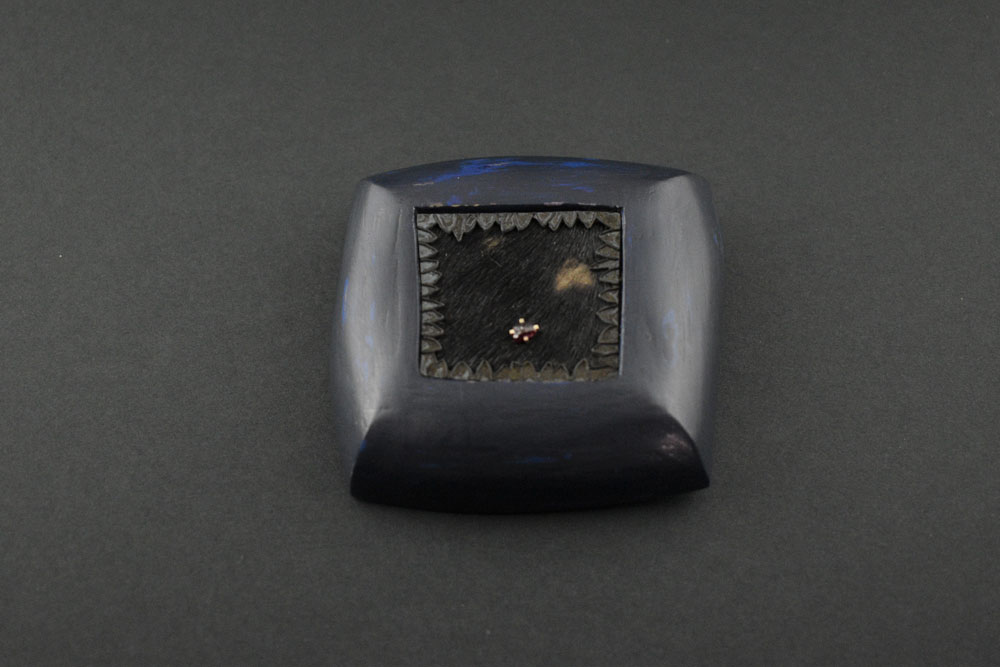
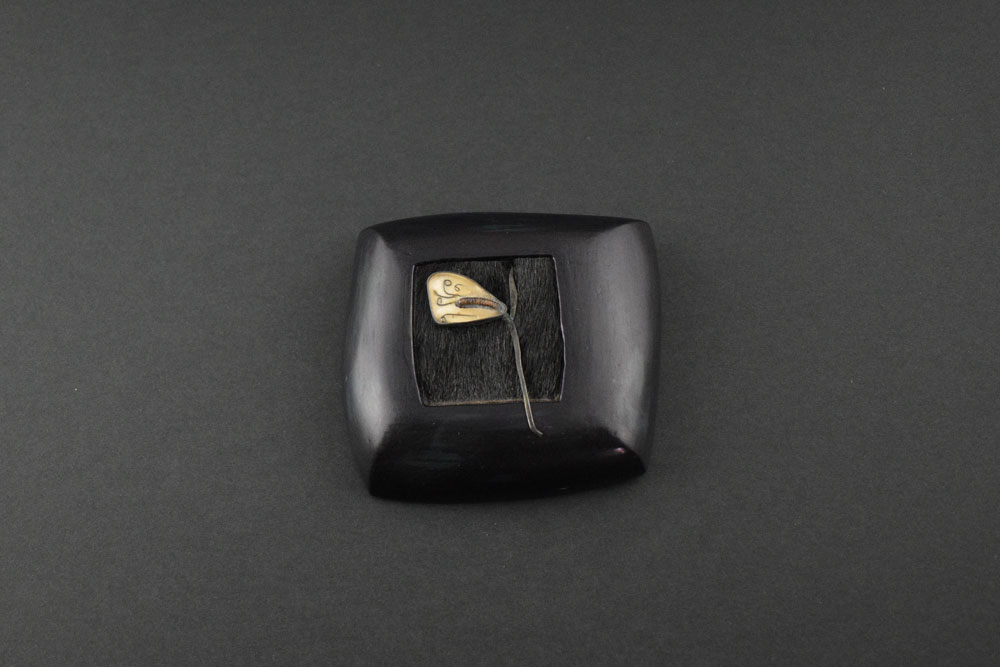
The curators themselves pose the question: what constitutes the phenomenon of Kadri Mälk’s jewellery? They propose thinking of her work as a territory of a shamanic nature, in which symbol, emotion, and matter coexist, and where experience emerges from the tension between form and meaning — a space in which not only forms, but also materiality itself, act as generators of meaning [7] [images 24, 25, 26, 27]. Dark Side of Imagination, a series initiated in 1996 and which gives the exhibition its title, presents a group of pieces of approximately square format, measuring around seven and a half centimetres per side, made of ebony and polychrome wood, at the centre of which is embedded a square of mole skin — the artist’s material of choice [images 28, 29]. On this tactile surface, which simultaneously evokes the interior of the earth and darkness, Kadri Mälk intervenes with metals (silver, iron, gold), stones (tourmaline, spinel, onyx), and other natural materials such as shark tooth, beeswax, or ebony. These are small constellations, almost framings of the imagined. Black and deep blue intensify this sombre dimension, where imagination does not merely represent — it expands [image 30].
Postscript Since our first ‘accidental’ encounter, on a tram in Amsterdam [8], when we were both participating in the workshop Jewellery and Shamanism, organised by Ruudt Peters at the Gerrit Rietveld Academie (1999), multiple connections were established between Estonia and Portugal, Tallinn and Lisbon, Kadri and myself. Her last solo exhibition in Lisbon, Post-Testament, curated by me, took place in 2019 at Manuel Castilho Antiguidades, on the occasion of the launch of my first book. In 2011, we collaborated in organising the exhibition Border Cities, which brought together eighteen Estonian and eighteen Portuguese artists. In 2008, Just Must brought Portuguese artists to Tallinn, much like Nocturnus in 2001 — both curated by her. Fata Morgana was her first solo exhibition in Lisbon, at Galeria Reverso, in 2005. She also held exhibitions in Porto, at Galeria Shibuishi, and was a visiting professor at Ar.Co (Lisbon) and ESAD (Matosinhos) on several occasions. She also presented several exhibitions in Lisbon with the group she founded and led, õhuloss. The first took place in 2001 at Galeria Uno, Centro Cultural de Belém, and the last occurred during the artist’s lifetime, in 2021, at Brotéria, within the framework of the Cold Sweat Biennial, to which she gave the title. It was also for the launch of the book Cold Sweat that she visited Lisbon for the last time, in November 2022 — a city she deeply loved. For her contribution to strengthening cultural
Order of Merit (Portugal). Insignia awarded to Kadri Mälk, 2003. Courtesy of the artist. Photographer unidentified.
Cristina FilipeShe holds a PhD in Heritage Studies from the Catholic University of Porto – School of Arts (2018) and is a researcher at the Centre for Research in Science and Technology in the Arts (CITAR) at the same institution. She holds a Master’s degree in Arts and Design from the Surrey Institute of Art & Design (2001), having received scholarships from the Foundation for Science and Technology and the Calouste Gulbenkian Foundation, respectively. She studied jewellery at Ar.Co – Centre for Art and Visual Communication (1984–1987), the Gerrit Rietveld Academie (1987–1988) and the Royal College of Art (1992). She taught on the jewellery course at Ar.Co (1989–2015), which she directed between 2004 and 2015, and at ESAD – Escola Superior de Artes e Design, Matosinhos (2001–2007). Since 1998, she has been a visiting lecturer and artist at numerous international schools and has served as an examiner for several master’s and doctoral theses. She received the Susan Beech Mid-Career Artist Grant from the Art Jewelry Forum (2017) for the production of the book Contemporary Jewellery in Portugal. From the 1960s Avant-garde to the Early 21st Century (2019). She has exhibited internationally since 1984 and is represented in public and private collections. Since 2005, she has been a programme organiser and curator of exhibitions, symposia and colloquia. She founded and served as chair of the board of PIN – Portuguese Association of Contemporary Jewellery (2004–2023). She was the creator and general curator of the 1st Lisbon Biennial of Contemporary Jewellery – Suor Frio (2021). Author of several articles and essays, she is the editorial and scientific coordinator of the book/catalogue Suor Frio (2022) and the creator and scientific coordinator of the J collection published by Imprensa Nacional – the first volume (Tereza Seabra) was launched in October 2024.
:::
Acknowledgements I would like to thank the students and professors of the Vilnius Academy of Arts — Halė Bilotė, Emilija Dapkutė, Emilija Giedraitė, Karolina Kalinauskaitė, Milda Karaliūtė, Milda Šimkevičiūtė, Rosana Lukauskaitė and Neringa Poškutė-Jukumienė — with whom I undertook the artistic residency Uncertainty. A Tribute to Kadri Mälk: Celebrating Her Artistic Legacy at the Nida Art Colony, which enabled my first visit to the exhibition Dark Side of Imagination. Jewellery by Kadri Mälk, thoughtfully guided by the curators, as well as a deep immersion in the artist’s life and work, thanks to the sensitive reflections of this group — a privilege. I would like to thank the curators Krista Kodres and Kai Lobjakas, the latter also director of the museum, as well as their entire team, in particular Ketli Tiitsar and Kristi Paap, for their invaluable support. I also thank Tiit Rammul, Kadri Mälk’s photographer of choice, for the generosity in sharing his images. I further extend my thanks to Tanel Veenre, for his continuous presence and generosity, and the remaining members of õhuloss — Piret Hirv, Kristiina Laurits, Eve Margus and Villu Plink. To Mati and to Kadri — Obrigadíssima [my deepest thanks] [image 31].
:::
Footnotes
[1] The talk was alongside Liesbeth den Besten and moderated by Kai Lobjakas the museum’s director.
Dark Side of Imagination. Jewellery by Kadri Mälk Estonian Museum of Applied Art and Design, Tallinn, Estonia November 4, 2025 – April 5, 2026
:::
This article is also published at Klimt02 (Spain), a platform dedicated to contemporary art jewellery, with the courtesy of Cristina Filipe and the magazine Artecapital. |


.jpg)