






|
|
TATIANA MACEDORADICAL GESTURES RIALTO6 Rua Conde Redondo 6, 1 andar 1150-105 Lisboa 02 JUL - 03 OUT 2026
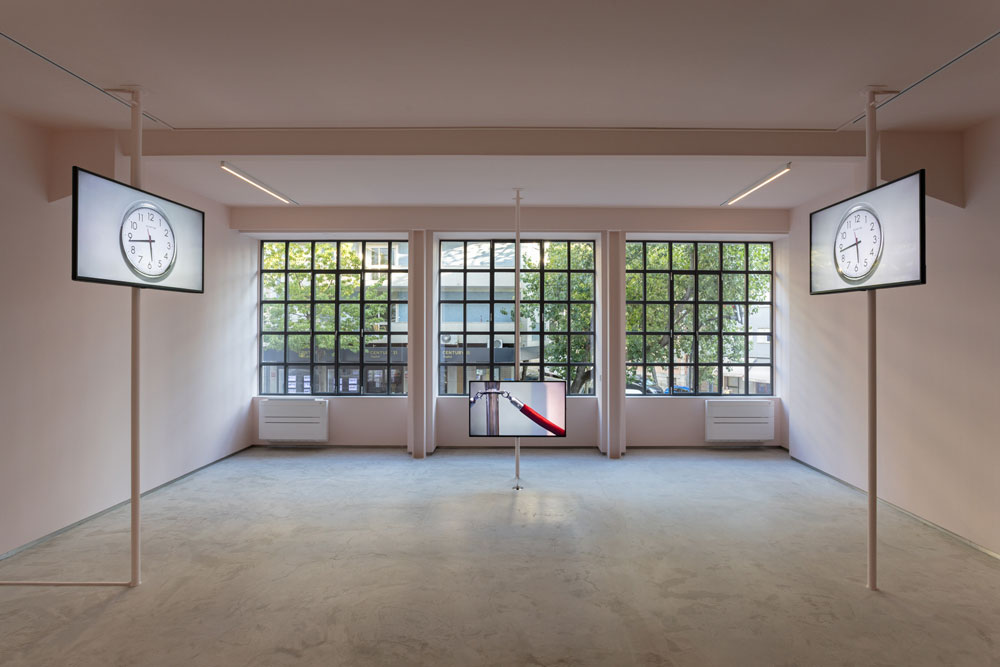
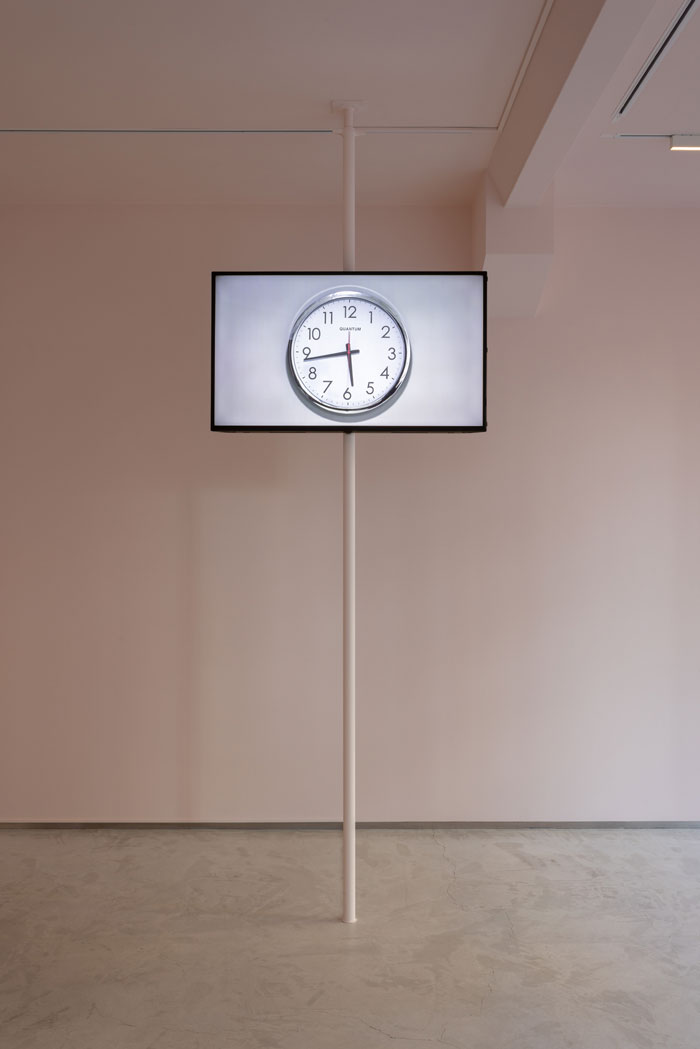
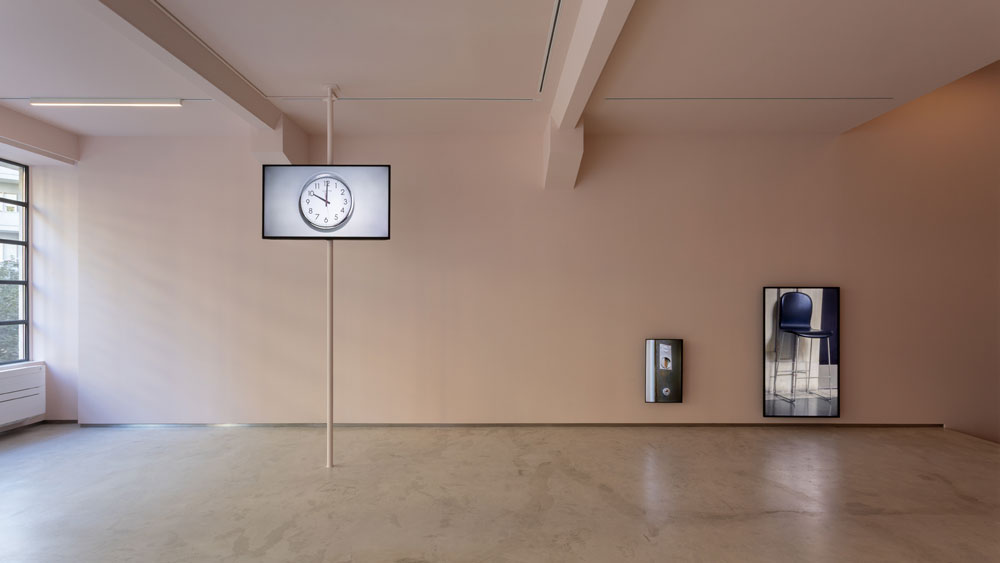
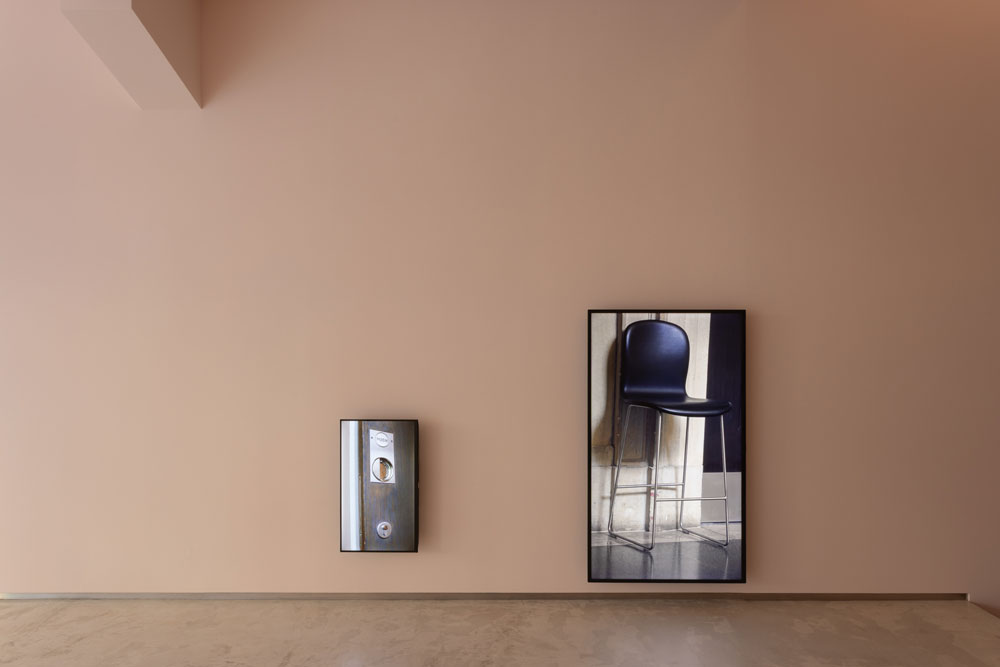
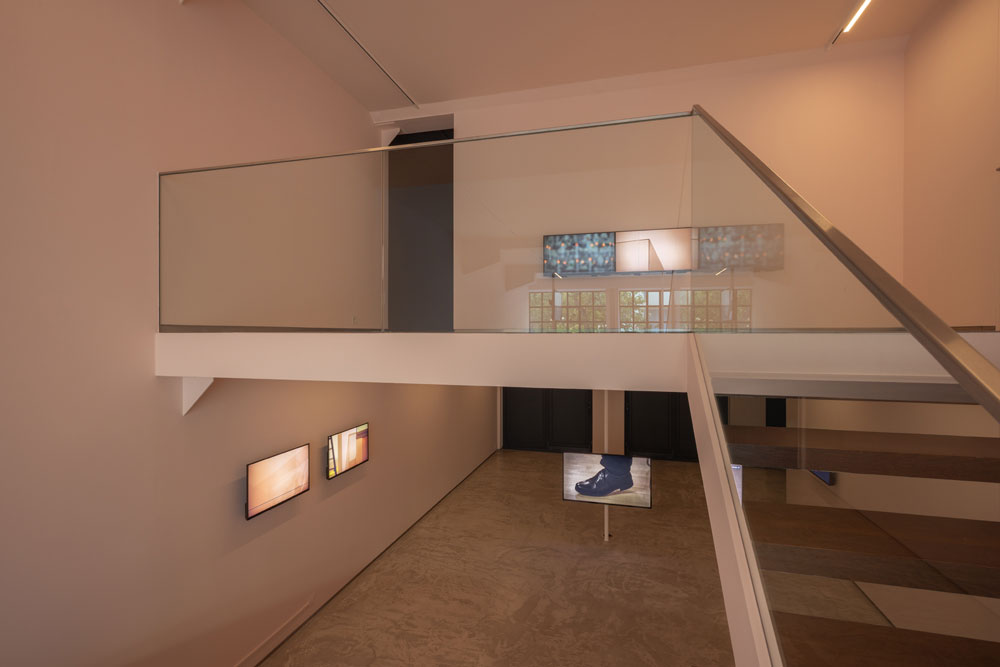
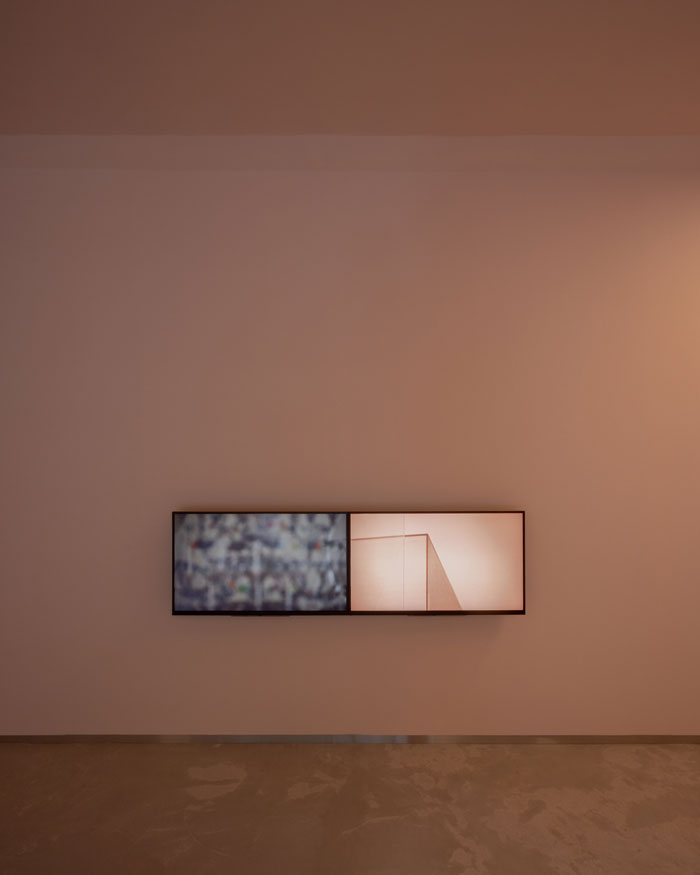
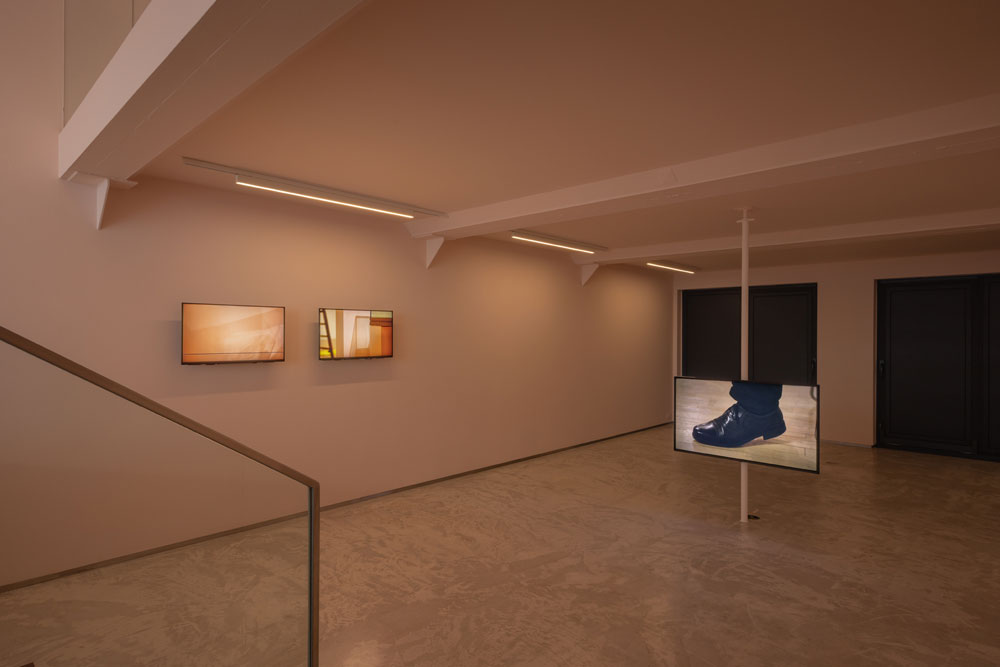
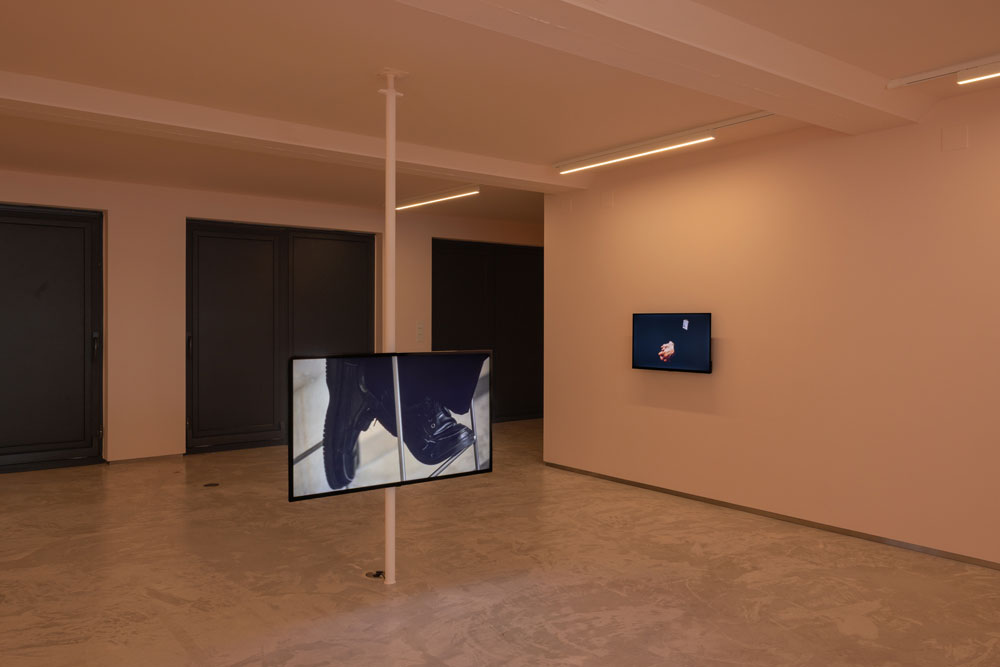
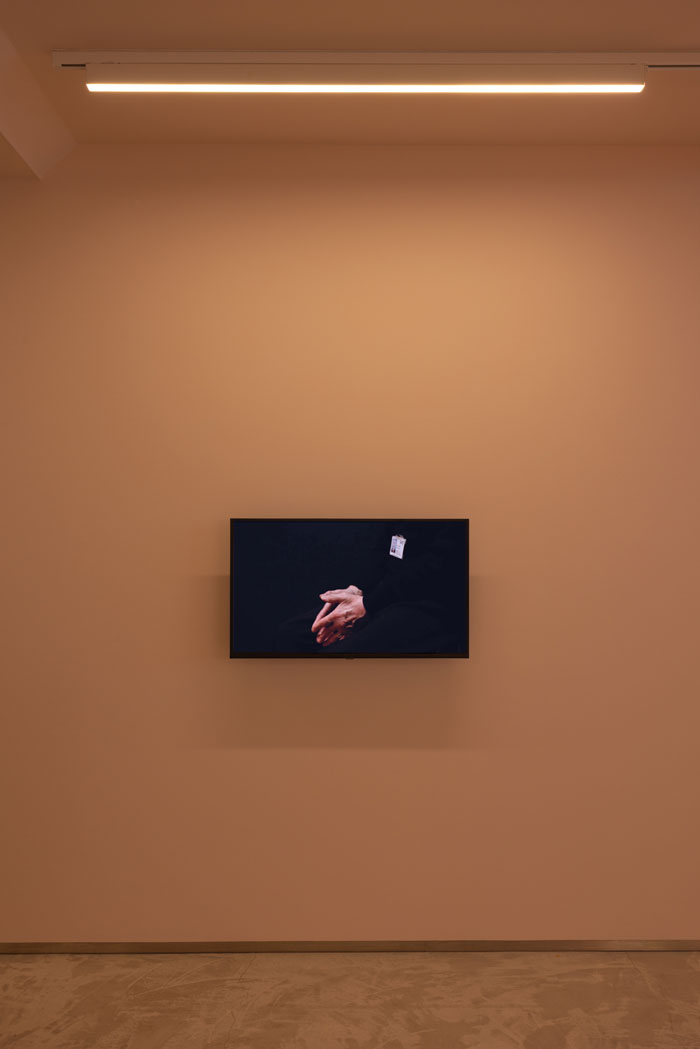
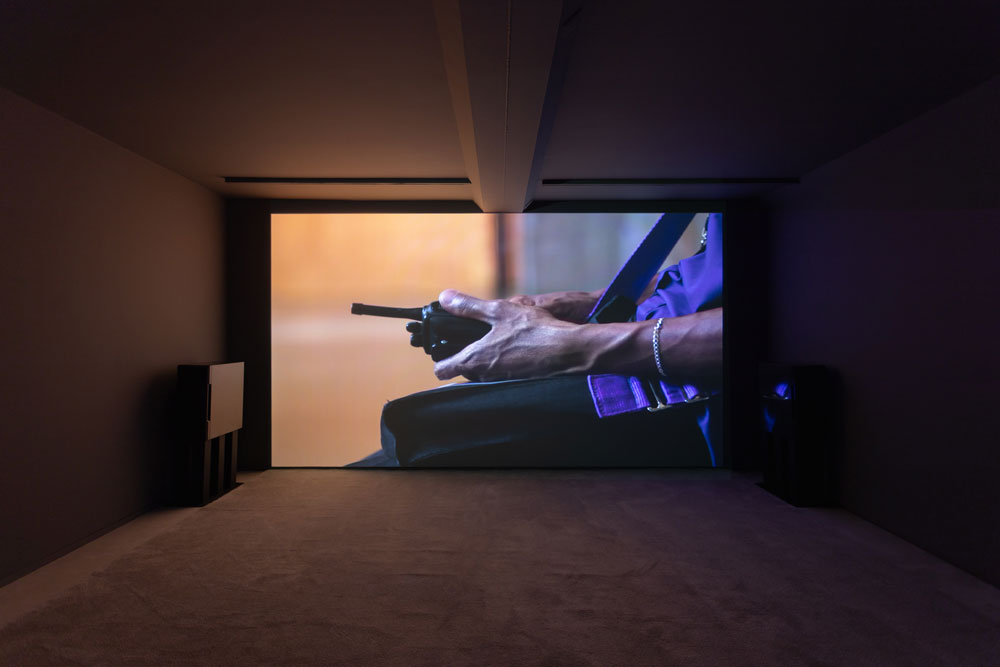
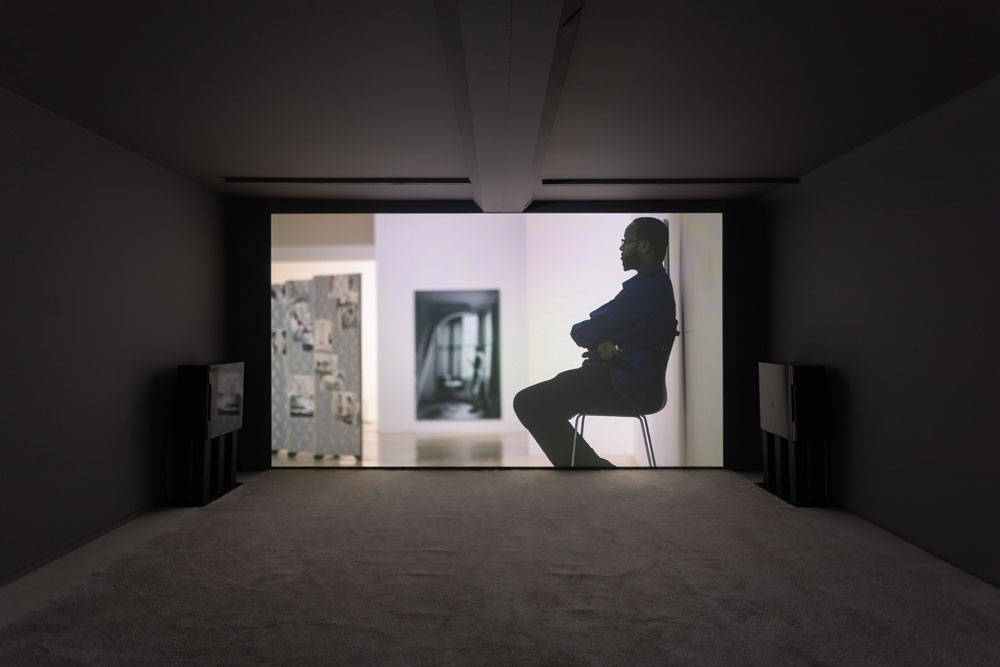
Tatiana Macedo’s solo exhibition Radical Gestures at Rialto6 does not give too much away at first. Bringing together several of Macedo’s video works made over the years, it demands a sustained mode of attention and is not particularly accommodating to a visitor in a rush. Filmed from an observational position and often grounded in research, Macedo’s pieces inhabit temporalities that resist the accelerated rhythms of today’s attention economy. This quality extends to the exhibition space itself, arranged as a relatively minimal environment that similarly invites a slower regime of seeing. Radical Gestures is arranged into two sections: a black-box ‘screening room’, where a selection of Macedo’s experimental films is presented, and an open space featuring new site-specific installations. The installations consist of separate screens placed throughout the room that show video close-ups of various objects alongside recordings of feet and hands performing small choreographed gestures. The indeterminate appearance of the objects – a plain wall clock, a metallic button, an uncomfortable-looking chair – and the clothes and shoes that resemble uniform place the narrative within a liminal institutional setting, while one of the central pieces, a video of a red velvet barrier rope, more clearly points to the context of a cultural venue.
Exhibition view, Tatiana Macedo, Radical Gestures. © Vasco Vilhena / Courtesy of the artist and Rialto6.
These video installations derive from Macedo’s research at Tate Modern and Tate Britain in London in 2011, where she studied the work of gallery invigilators: people whose labour is largely defined by their presence in the space and the process of watching. This research resulted in Macedo’s film debut, Seems So Long Ago, Nancy (2012), which is also featured in the exhibition’s screening room. Both the film and the separate videos register the passage of time through subtle acts that remain largely unseen within the image-saturated environment of a museum: drifting shadows, fleeting silhouettes of people reflected in metallic surfaces, and the quiet movement of the invigilators’ hands, feet and eyelids. From my own experience of working as a museum invigilator, I remember how my attention changed during a workday, as the gaze grew tired of surroundings that had become too familiar. Suddenly, small details in the room would begin to stand out, and what had previously been visually insignificant would come to dictate the environment. Tatiana’s films and installations seem to capture precisely how the world appears differently through a radical slowing down of observation. Another memory that resurfaced while looking at Tatiana’s works was of the small personal rituals I invented to entertain myself during shifts and keep track of the passing hours, such as counting in threes or drawing shapes with the tip of my shoe. These became means of creating small pockets of freedom and personal space within the disciplinary environment of the institution, resisting the Foucauldian condition of the docile body. Similar ‘rituals’ were recorded by Tatiana during her research. One of them – silently humming Leonard Cohen’s song Seems So Long Ago, Nancy – even gave the film its title. Tatiana’s exploration of the ways the body and the gaze respond to space and time continues in the operational logic of her installations. As one moves between the screens, occasionally stopping to look at them closely, one might begin to feel that the surrounding space is structured according to a certain rhythm. This rhythm emerges through the repetitive movements in the videos, the spatial dynamics between the screens, and the loud church bell that cuts through the space at intervals. Gradually, the space shifts from static to performative, suggesting an invitation to follow this rhythm and depart from the institutionally prescribed movement of the body within an art exhibition, perhaps even through dance. Radical Gestures was envisioned as a project unfolding in two ‘acts’. The first act brought together Tatiana’s installation and her film Seems So Long Ago, Nancy, shown continuously in the screening room, while the second included a wider selection of Tatiana’s films, arranged into three programmes: Museum Body, The Forbidden City, and The Archives to Be, providing a comprehensive overview of Tatiana’s filmic practice. The artist herself refers to the screening room as ARTIST’S CINEMA: A CINEMA OF ONE’S OWN, in reference to Virginia Woolf’s statement that having one’s own physical and intellectual space can become a condition for artistic independence. Here, film appears as such a space, owned by Macedo herself: an autonomous artistic practice informed not only by film as a medium, but also by Macedo’s interest in ‘a transdisciplinary vocabulary incorporating cinema, theatre, music, painting, dance, architecture, photography, performance and anthropology.’ [1] In exploring Tatiana’s films, one might continue to trace a practical reflection on the ways institutional systems and media dictate narratives, forms and bodies. While Museum Body, which includes Seems So Long Ago, Nancy, addresses museum structures, The Forbidden City brings together films shot by Macedo in Beijing that question how an unfamiliar place or human experience might be represented, including through the camera. The films feature scenes recorded under various restrictions: from a hotel window or a car window, with the view interrupted by rooftops or a wall of rain – the physical impossibility of grasping a complete, ‘real’ picture. A similar sensitivity surfaces in her film depicting Tiananmen Square and its visitors, also included in the programme. Made on the anniversary of the 1989 protests, it seems to leave a certain distance between lived experience and its representation through film unresolved. Macedo’s Archives To Be programme appears as an inquiry into materiality – that of an archive or a book. It brings together two films: one resulting from her residency in Bayreuth, where she researched the collection of Ulli Beier held at Iwalewahaus, as well as from the subsequent exhibition; the other from her engagement with a short story about a violinist that was illustrated with large-scale photographs, resembling a photobook. In both films, her camera seems to wander across the surfaces of archival videos, documents, vinyl records and the photographs in a book, evoking a corporeal experience, disrupting linearity and suggesting an alternative ‘reading’ of the narratives within the book and the archive. The reference point for Macedo’s eventual exhibition project in Bayreuth was Hélio Oiticica and Neville D’Almeida’s Cosmococa/CC5 Hendrix-War (1973), a work that collapses distinctions between cinema, installation, sound and bodily experience. This refusal of fixed categories resonates throughout Macedo’s own practice, where boundaries between media, forms of knowledge and modes of spectatorship are repeatedly unsettled. In this sense, the radical gesture may lie precisely in opening up the structures and hierarchies that determine how images are made, encountered and understood.
Katya Savchenko
:::
[1] Tatiana Macedo, “Radical Gestures”, Rialto6, June 2026.
|
.jpg)